


Winter doesn’t usually arrive with drama. It seeps quietly. A bit more rain than usual. Fewer dry days. That lingering damp never quite seems to leave. By the time the holidays are over, patios often look tired, not ruined, just worn down by months of moisture.
And when spring feels a long way off, it’s tempting to ignore the garden altogether.
But a gentle reset now can make a big difference. With the right approach to damp winter patio care, you can deal with the damage that’s already there and protect what’s survived, without turning it into a major project.
Start by Assessing Winter Damage (Before Cleaning Anything)
Before reaching for a pressure washer, take a moment to look around.
UK winters are particularly tough on outdoor spaces because the issue isn’t snow, it’s moisture. Prolonged rain, condensation, and cold nights often lead to subtle garden winter damage that’s easy to miss at first.
Check for:
- Green algae or slippery patches on paving
- Damp cushions that never fully dried
- Wooden furniture that feels heavier or darker than usual
- Rust starting to form on metal frames
Understanding what winter has done helps you decide what needs fixing, and what just needs time to dry out.
Damp Winter Patio Care: Dry First, Clean Second
One of the most common mistakes people make is cleaning too early. Effective damp winter patio care starts with drying. If surfaces are still holding moisture, aggressive cleaning can push water deeper into cracks or materials.
Wait for a dry spell. Even one or two rain-free days help. Sweep away debris first, then gently wash the surfaces where needed. Avoid harsh chemicals; they can do more harm than good on already stressed materials. Sometimes, patience is the best maintenance tool.
A Post-Holiday Patio Clean-Up Guide for UK Homes
Think of your reset as a series of small steps, not a single big task. A sensible post-holiday patio clean-up guide for UK homes usually looks like this:
- Clear clutter and decorations
- Dry surfaces and furniture thoroughly
- Clean only what needs attention
- Protect everything else
This approach keeps you from chasing perfection and focuses on making the space usable again.
Protecting Patio Furniture from Damp and Moisture in the UK
Once furniture is clean and dry, protection becomes essential. Ongoing moisture is what causes long-term damage, which is why protecting patio furniture from damp and moisture in the UK is less about aesthetics and more about longevity.
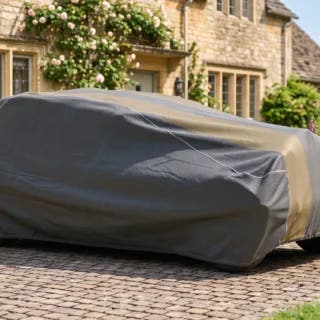
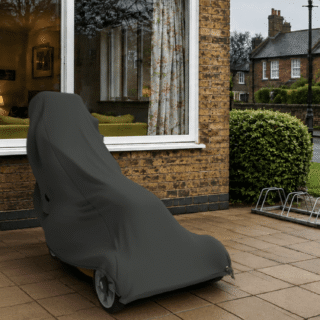
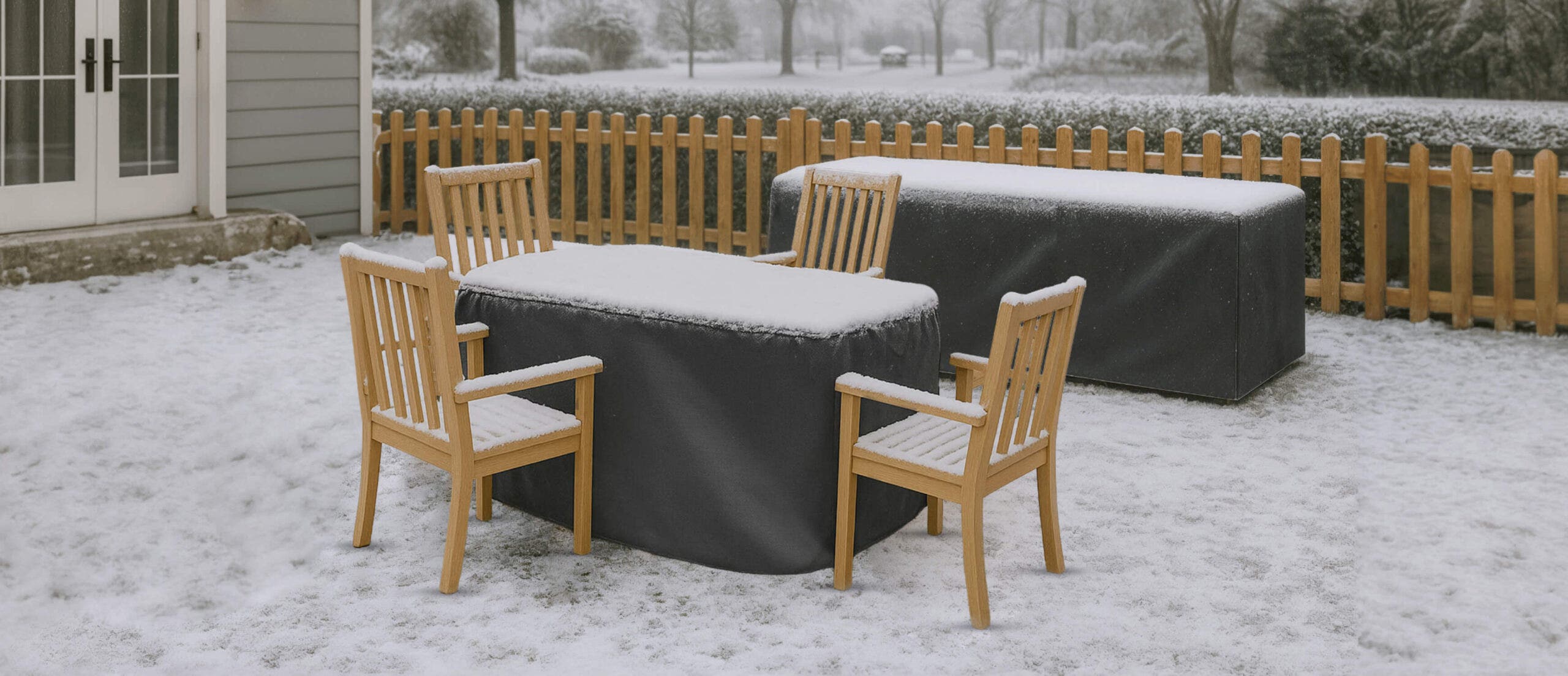
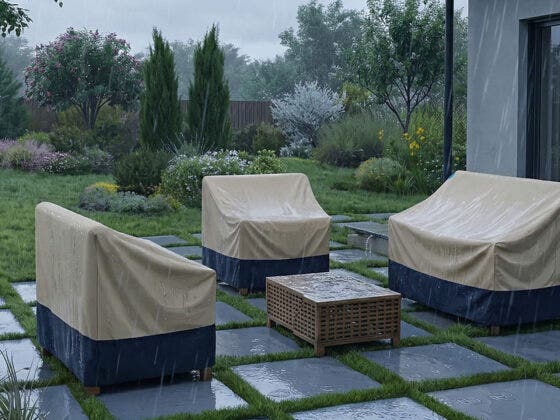
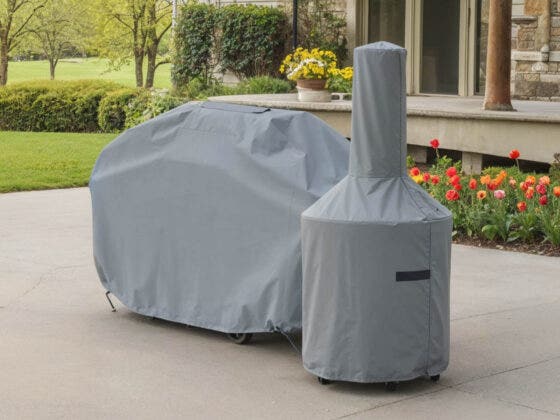
Using proper garden furniture covers helps shield tables, chairs, and loungers from further rain and condensation. Covers create a barrier that reduces repeated wetting and drying—the cycle that causes cracking, warping, and mould.
For cushions, switching to dedicated outdoor cushion covers (or storing them away completely) prevents that musty smell that’s hard to get rid of later.
The Best Ways to Protect Outdoor Furniture After Winter Rain
Rain itself isn’t the only problem, it’s what happens after. Some of the best ways to protect outdoor furniture after winter rain include:
- Covering furniture as soon as it’s dry
- Avoiding plastic sheets that trap condensation
- Allowing airflow under covers
- Elevating furniture slightly where possible
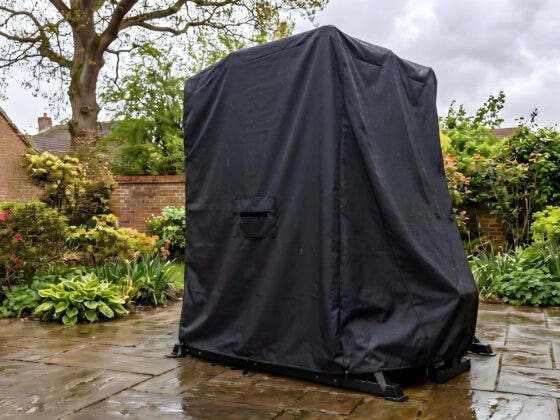
Breathable weatherproof outdoor covers are especially useful here. They block rain while still allowing moisture to escape, which is crucial in damp climates.
Waterproof Covers to Protect Patios After Wet Winter Weather
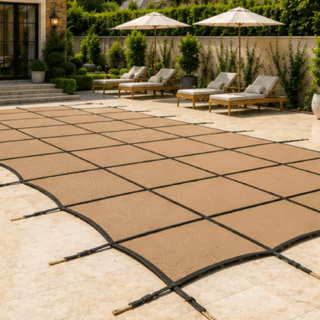
If winter has been particularly wet, standard protection may not be enough. High-quality waterproof covers to protect patios after wet winter weather offer an extra layer of reassurance. These are particularly useful for seating areas, dining sets, and features you don’t plan to use regularly until warmer months.
The goal isn’t to seal everything in; it’s to keep excess water out while giving materials a chance to recover.
Patio Maintenance Tips After Heavy Rain and Moisture Damage
Not all damage needs to be fixed immediately.
Some helpful patio maintenance tips after heavy rain and moisture damage include:
- Treating algae early before it spreads
- Letting wood dry naturally before oiling or sealing
- Tightening fittings loosened by temperature changes
- Replacing only what’s beyond saving
Maintenance after winter is often about prevention, not restoration.
Outdoor Cover Solutions for Patios After Prolonged Damp Winters
Every patio is different, which is why flexible outdoor cover solutions for patios after prolonged damp winters are worth considering.
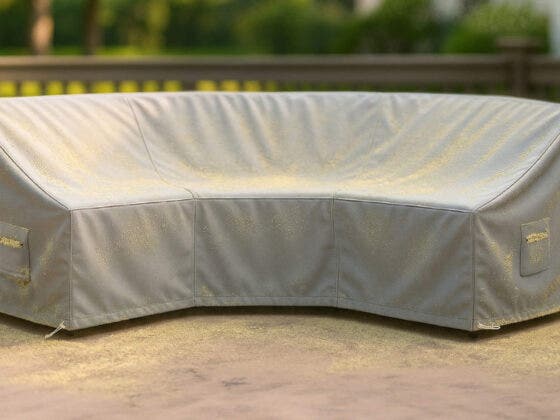
For irregular items or larger setups, custom tarpaulins UK homeowners use can provide adaptable coverage where standard covers fall short. When sized correctly, they protect without excessive bulk or flapping in the wind.
For seating areas that still get occasional use, custom fit covers offer a neater, more secure option—staying in place during wind and rain.
Managing Damp Without Closing Off the Space
Some patios suffer simply because they never fully dry.
Using clear vinyl curtains can help block wind-driven rain while still allowing light in. They’re particularly useful for partially covered patios or outdoor dining areas that feel exposed during winter. It’s a subtle change, but it can significantly reduce how much moisture reaches furniture and surfaces.
Looking Ahead: Protection as Part of Maintenance
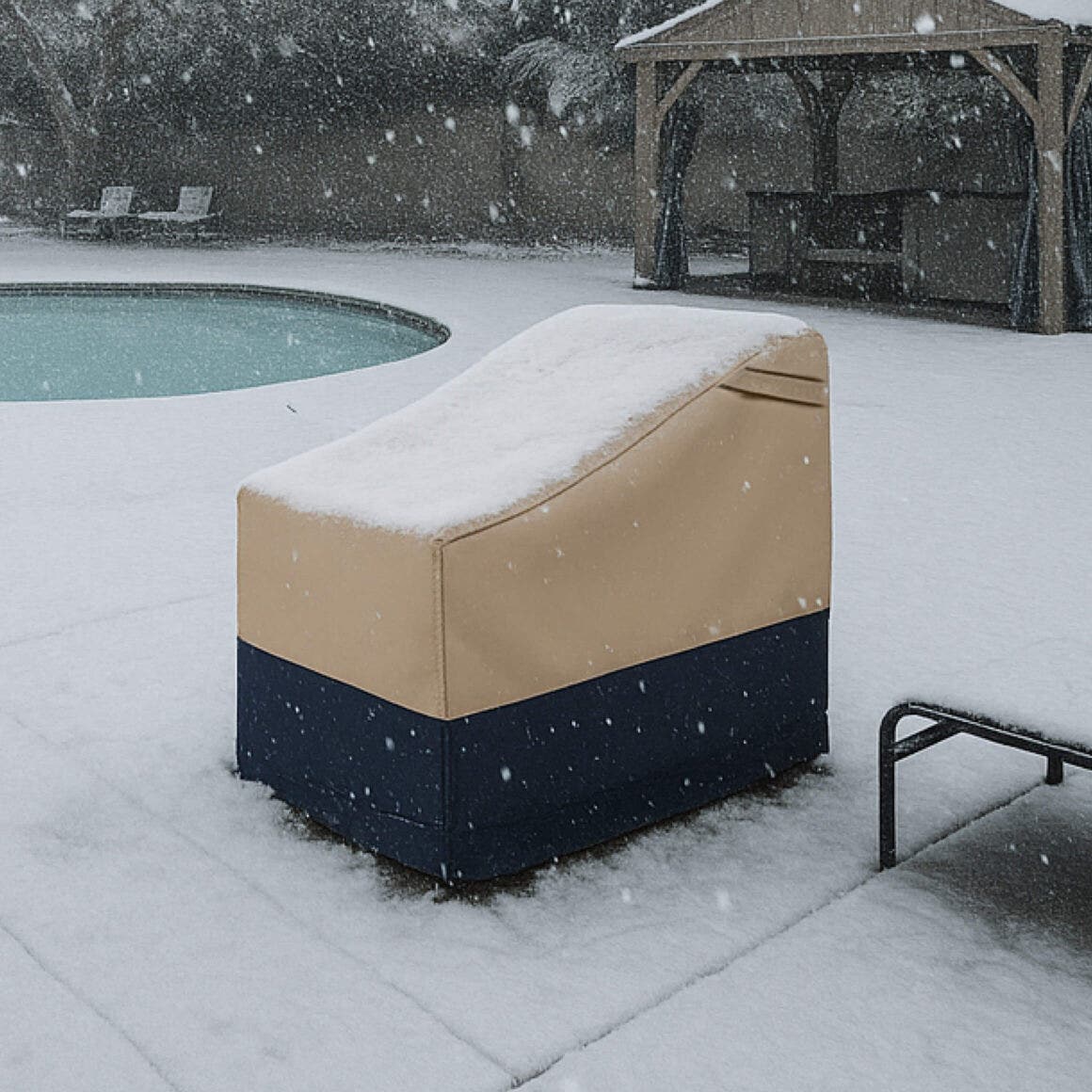
The biggest takeaway after a damp winter is this: protection isn’t optional.
Using weatherproof outdoor covers consistently is one of the easiest ways to reduce future garden winter damage. When furniture and features are shielded from constant moisture, spring clean-ups become lighter, faster, and far less frustrating.
It’s not about wrapping everything up forever; it’s about giving your patio a break after months of exposure.
A Patio That’s Ready, Not Perfect
Your patio doesn’t need to look brand new after winter. It just needs to be stable, dry, and cared for.
With patient cleaning, sensible repairs, and the right covers in place, your outdoor space can recover quietly, without drama. And when the weather finally turns, you’ll be glad you didn’t leave it until the last minute. Sometimes, the best resets are the calmest ones.






Recent Comments