


Late March in the UK has a reputation and not a great one. Late March is tricky. It feels like winter’s over, but the weather hasn’t fully caught up one decent day followed by damp, chilly evenings again.
That’s when most people pull their cushions back out and start using the space. But instead of proper spring weather, everything just ends up sitting in this cycle of moisture that doesn’t fully go away.
That’s why late March garden cushion protection matters more than people expect.
It’s Not Just Rain – It’s the Damp That Stays
In the UK, rain comes and goes, but the moisture doesn’t. The air stays damp, surfaces stay slightly wet, and cushions rarely get the chance to fully dry. That’s where the real issue starts. If you want to protect garden cushions from rain UK, it’s not just about covering them when it rains – it’s about avoiding that leftover damp altogether.
Once moisture settles in, cushions stay wet longer and start to lose their shape and feel. Because once it does, cushions start feeling heavier, take longer to dry, and don’t quite feel the same after.
Why Cushions Struggle to Dry in Early Spring
Even when it’s not raining, things don’t really dry properly. There’s not enough sun, barely any warmth, and the air just feels heavy. So once your cushions get wet, they stay damp longer than you’d expect. That’s why people look up how to keep outdoor cushions dry in rain but constantly moving them in and out isn’t realistic. It gets old fast.
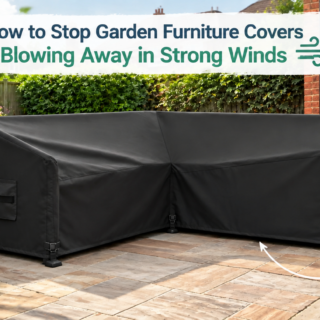
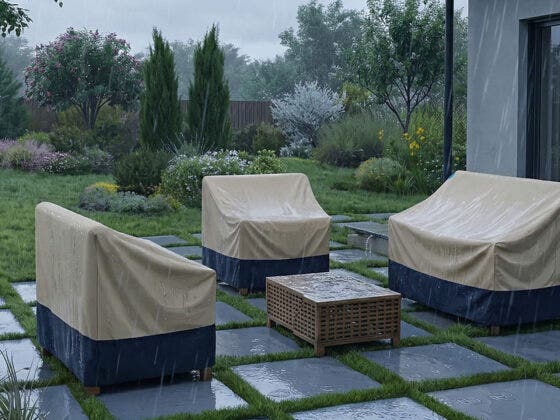
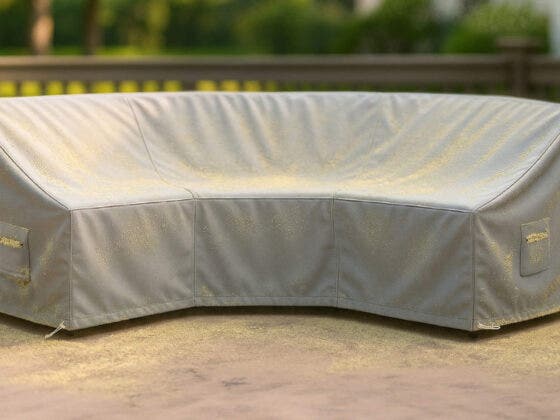
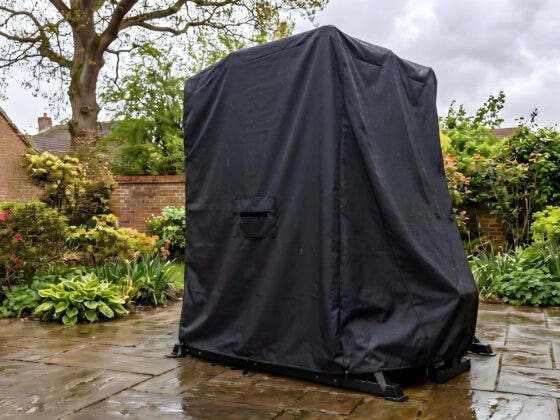
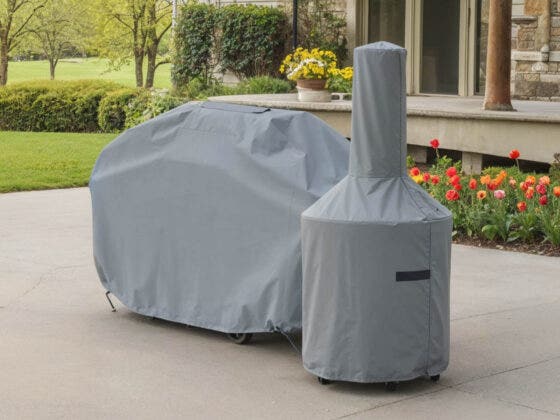
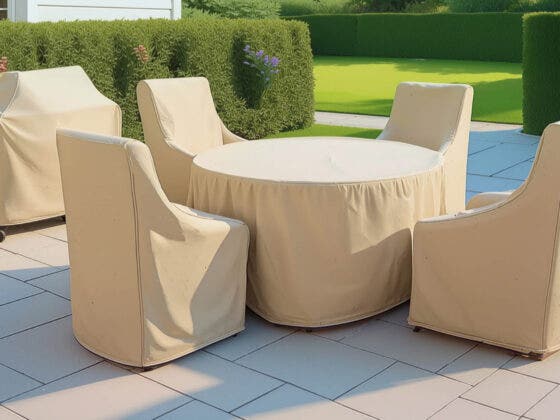
It’s much easier to deal with it at the source using well-fitted garden furniture covers or proper cushion protection, so they don’t get soaked in the first place.
The Real Problem: Mold and Musty Smells
Damp cushions don’t just look bad – they start to smell. That slightly musty odor is usually the first sign that moisture has settled in. Leave it long enough, and you’ll start noticing spots and fabric damage that’s difficult to reverse.
To properly protect patio cushions from UK spring showers, you need to stop that moisture cycle before it begins – not after. Because once mold sets in, cleaning only does so much.
Breathability Matters More Than You Think
A common mistake? Using covers that trap moisture instead of preventing it. In UK conditions, that’s a problem. You need breathable waterproof cushion covers UK homeowners can rely on something that blocks rain but still allows air circulation. Otherwise, you’re just locking dampness inside.
Good moisture resistant garden cushion covers strike that balance. They keep external water out while letting any internal moisture escape.
Don’t Ignore the Little Bit of Sun
Even in late March, UV exposure starts playing a role. It’s not harsh, but over time it contributes to fading and fabric wear—especially when cushions are repeatedly damp and then exposed to light. That’s why UV and waterproof cushion covers UK setups tend to last longer. You’re not just protecting against rain, but also the gradual wear that comes with changing conditions.
When You’re Not Using Them, Store Them Properly
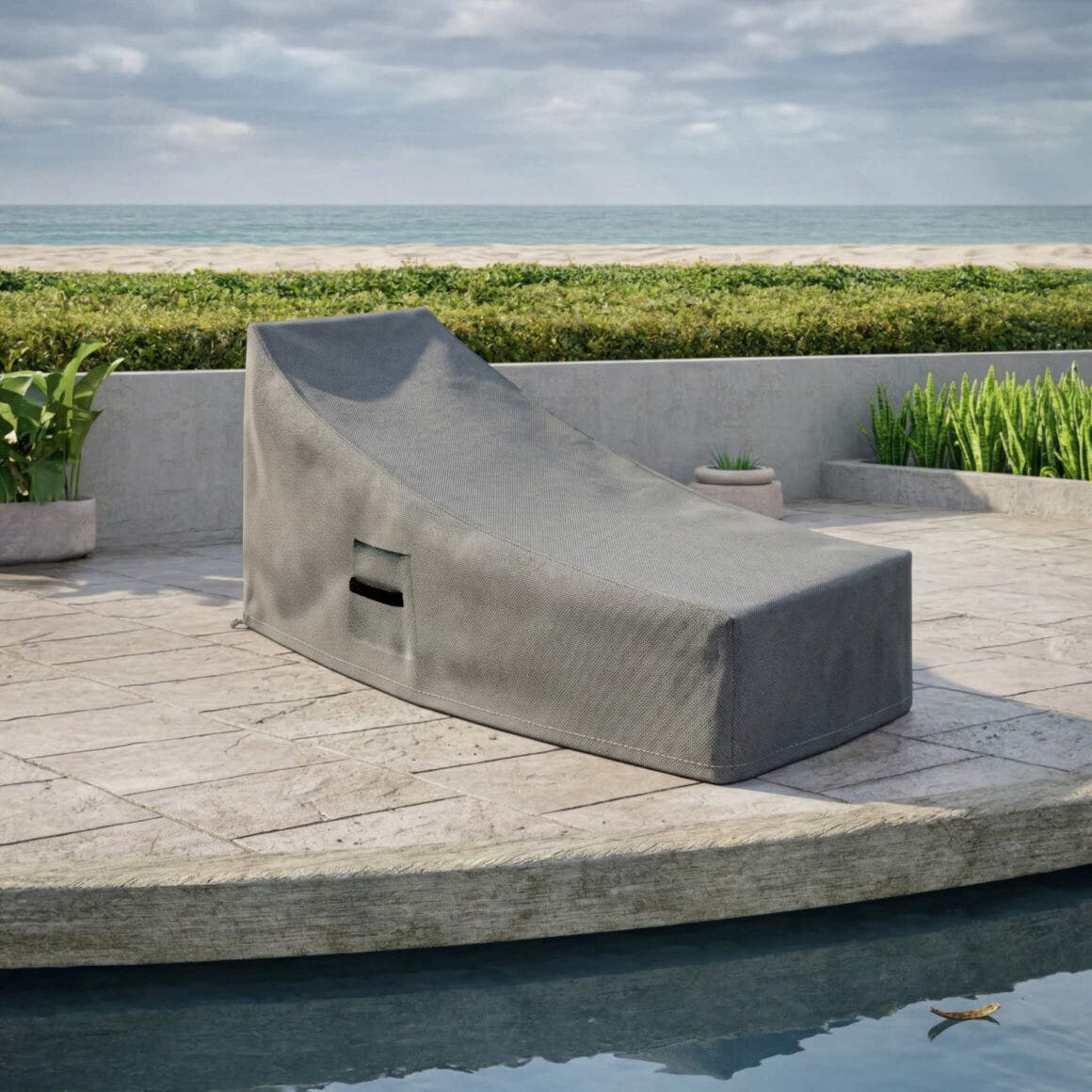
Let’s be honest – there will be days when the weather just doesn’t cooperate. On those days, leaving cushions out (even covered) isn’t always the best move. Simple garden cushion storage during wet weather helps avoid unnecessary exposure. A storage box, indoor space, or even cushion storage covers can keep them dry until conditions improve. It’s not about overdoing it – it’s about knowing when to step in.
What Actually Works Without the Hassle
You don’t need a complicated system. Just a few things done right:
- Reliable outdoor cushion covers UK setups that fit properly
- Durable garden furniture covers for full protection when needed
- Practical custom pillow covers if your cushions aren’t standard sizes
- And if you’re upgrading, custom outdoor cushions that are built for damp conditions
The key is consistency. Not covering them one day and forgetting the next.
The Usual Mistake
Most people wait for a “proper sunny stretch” before taking protection seriously. In the UK, that’s risky. By the time the weather stabilises, your cushions have already gone through repeated damp cycles. And that’s where the long-term damage begins.
Final Thought
Late March feels harmless. That’s the trap. Nothing extreme happens—but the mix of damp air, light rain, and slow drying quietly builds up. Sort it early, and you’re fine. Ignore it, and your cushions won’t feel the same in a few weeks.



Recent Comments