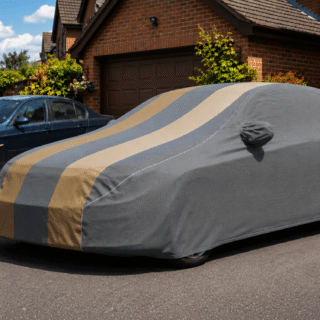

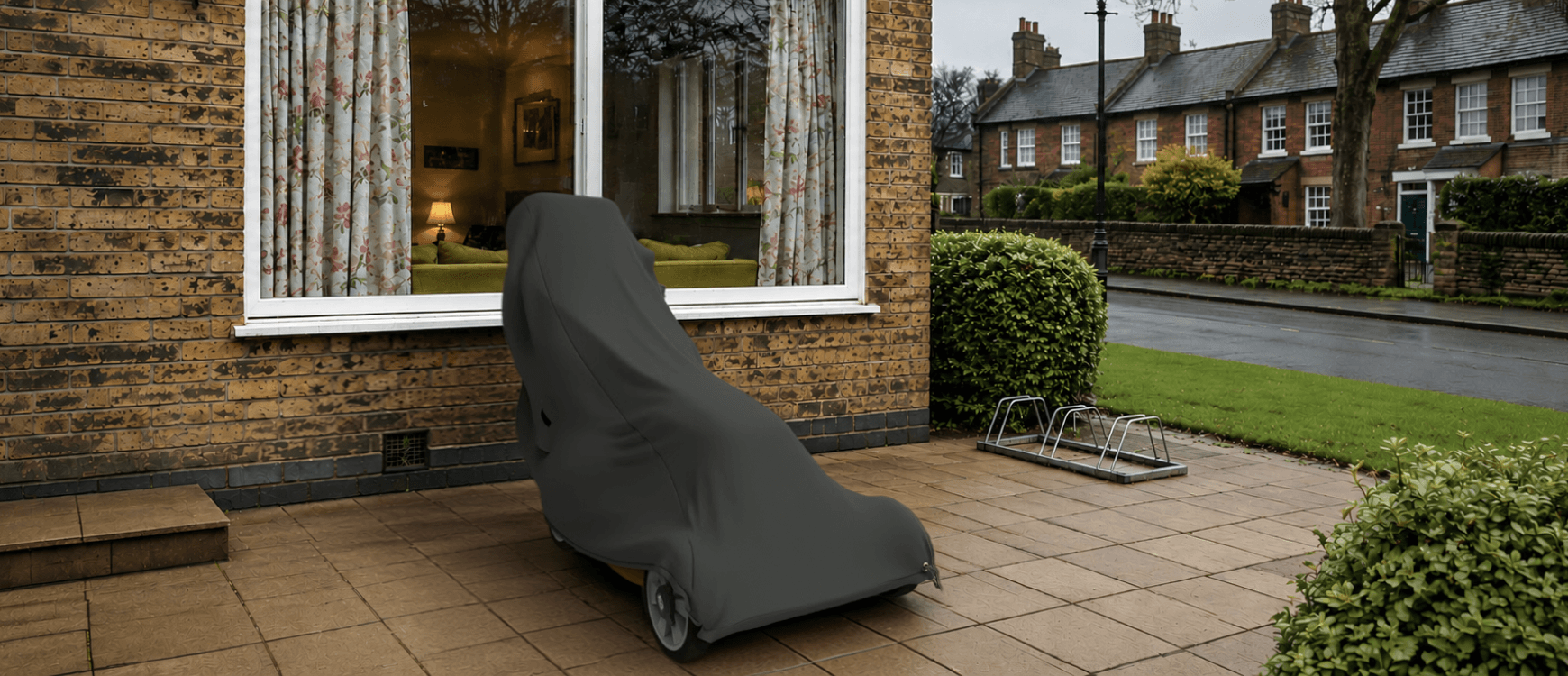
If you’ve ever pulled the tarpaulin off a generator or mower after a wet winter and found rust creeping along the metal, you already know how much damage British weather can do in a single season. Rain, frost, and damp air are constant in the UK, and outdoor equipment left exposed to them rarely lasts as long as it should. Understanding how to extend the life of outdoor equipment starts with one simple habit: covering it properly, every time it’s not in use.
Why Outdoor Equipment Wears Out Faster Than You’d Expect
Generators, mowers, and garden machinery are tough by design, but they’re not really meant to live outdoors all year round. Moisture finds its way into seams, bolts, and wiring long before there’s anything to see on the surface. By the time a machine starts cutting out, or a panel shows actual rust, the damage has usually been building for months already.
Popular Products
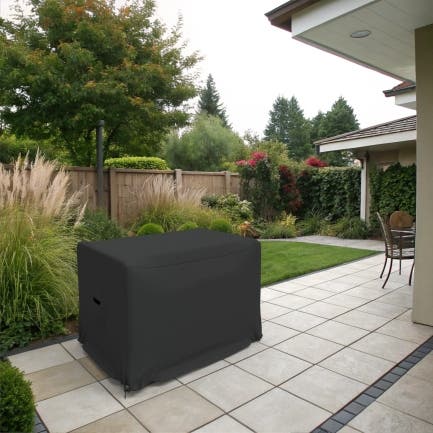
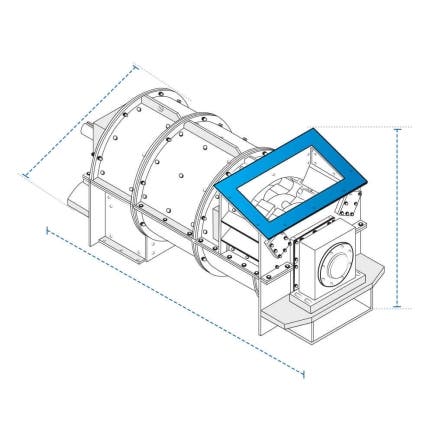
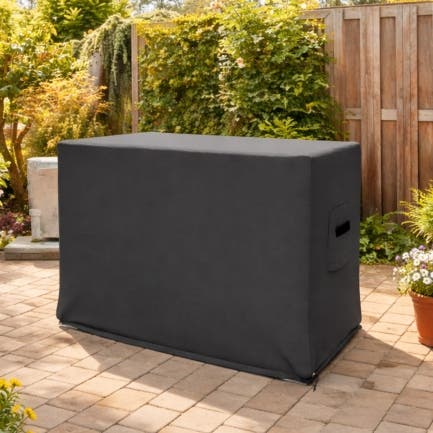
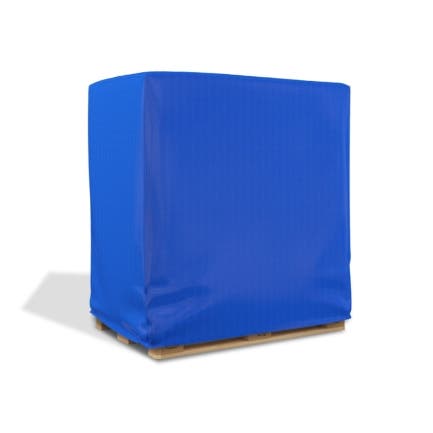
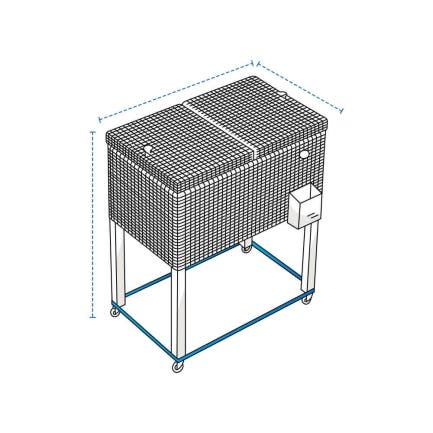
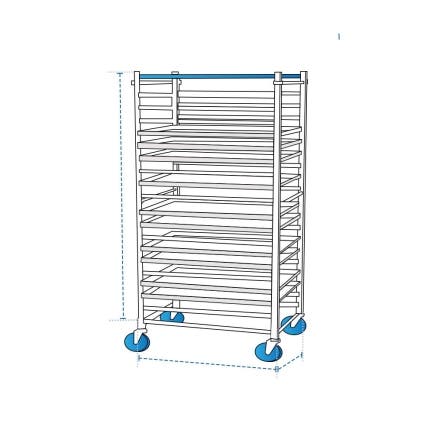
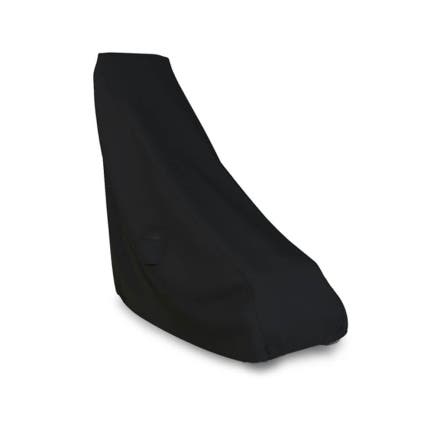
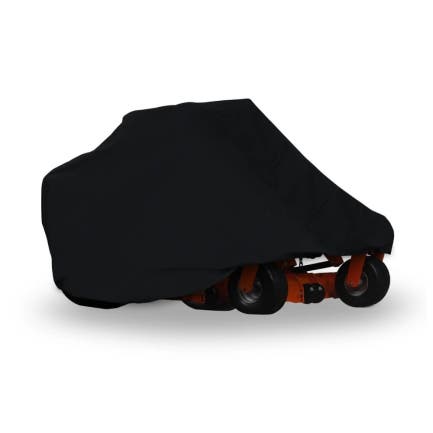
This is exactly where protecting outdoor equipment from rain and moisture becomes less of an optional extra and more of a basic part of ownership. A few minutes spent fitting a cover after use is far cheaper than the cost of replacing parts that have rusted through or seized up.
How Waterproof Covers Protect Outdoor Equipment
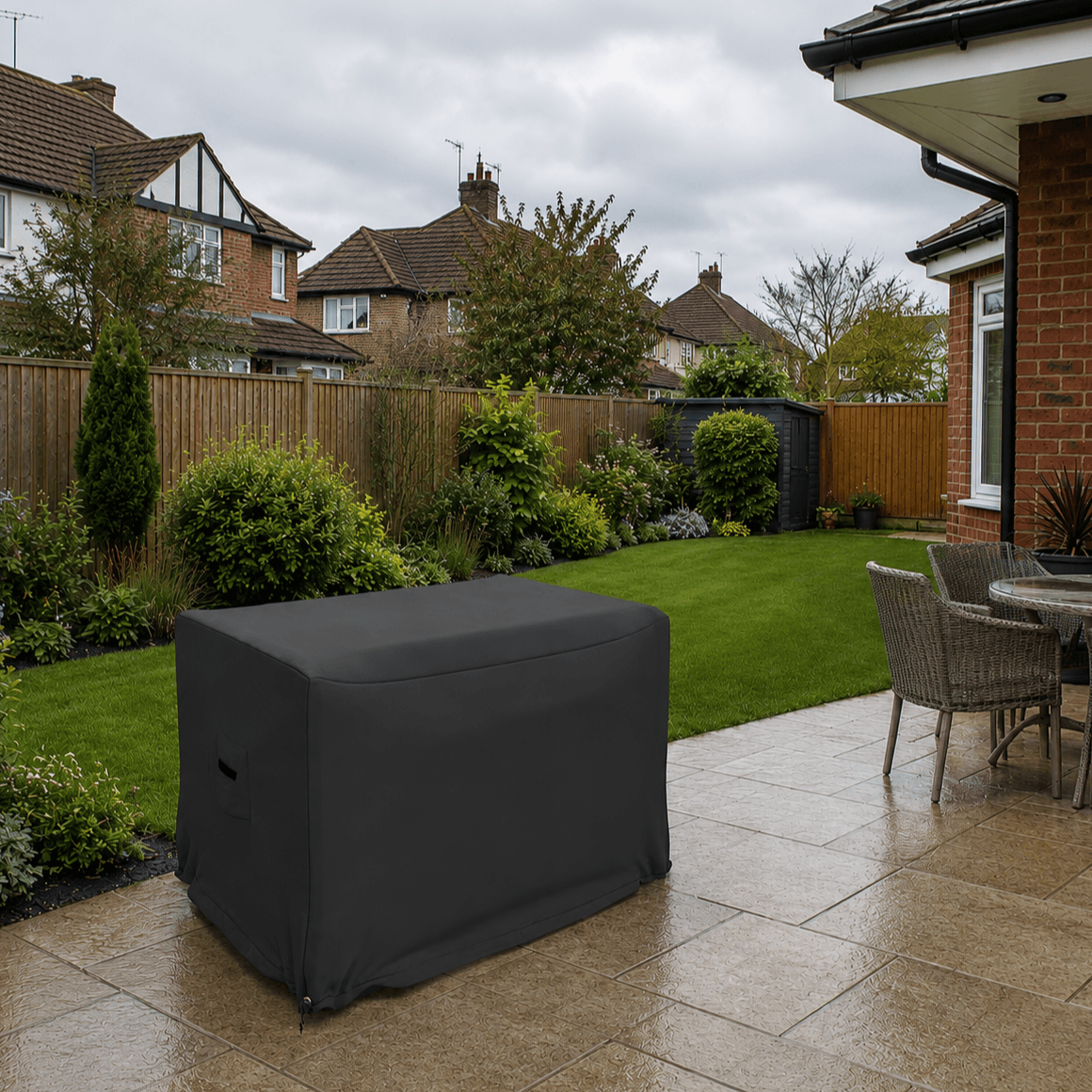
Waterproof covers protect outdoor equipment by creating a physical barrier between your machinery and the elements that cause the most damage — rain, frost, UV rays, and airborne dirt. A well-made cover does several jobs at once:
- Stops water pooling on motors, control panels, and exposed metal
- Blocks UV rays that fade plastic housings and weaken fabric and rubber parts over time
- Keeps dust, leaves, and debris from working into moving parts
- Reduces temperature swings that cause condensation to form inside housings
None of this requires anything complicated. A correctly fitted cover, taken on and off as needed, does most of the protective work on its own.
Preventing Rust and Weather Damage on Equipment
Rust is one of the most common and preventable causes of equipment failure. Once moisture sits against bare metal for long enough, oxidation sets in, and from there it spreads quietly until a part that used to work smoothly starts sticking, seizing, or breaking outright.
Preventing rust and weather damage on equipment mostly comes down to keeping water away from metal surfaces in the first place. A breathable, waterproof cover does this while still letting trapped moisture escape, rather than sealing damp air in against the equipment, which is just as important as keeping rain out.
For machinery left outdoors for extended periods, machine covers built specifically for the shape and size of the equipment offer far better rust protection than a loose tarpaulin draped over the top. A snug, well-vented fit means no gaps for rain to creep in, and no pockets of trapped condensation either.
Benefits of Using Waterproof Covers Outdoors
Beyond rust prevention, there’s a longer list of benefits of using waterproof covers outdoors that often gets overlooked:
- Extended service life — equipment that isn’t fighting constant exposure to damp simply lasts longer.
- Fewer repair bills — corrosion and weather damage are two of the most expensive things to fix on machinery.
- Better resale value — well-maintained, cover-protected equipment holds its condition and looks the part when it’s time to sell.
- Less cleaning — a cover keeps dirt, bird droppings, and leaves off the equipment itself, so there’s less to clean before each use.
- Consistent performance — moisture-free electrics and lubricated moving parts simply work better.
These add up quickly, particularly for anyone running equipment commercially, where downtime for repairs is far costlier than the price of a decent cover.
Outdoor Equipment Storage and Protection Tips
Covering equipment properly is about more than just throwing a sheet over it. A few practical outdoor equipment storage and protection tips make a real difference to how long a cover and the equipment underneath it lasts:
- Dry equipment before covering it. Sealing in existing moisture defeats the purpose of a waterproof cover.
- Choose a cover that’s the right size. Loose covers flap in the wind and let water in at the edges; oversized ones trap excess condensation.
- Look for ventilation features. Air vents or breathable fabric stop mildew from forming underneath the cover.
- Secure it properly. Drawstrings, elastic hems, or grommets keep the cover from blowing off during a storm, which, in the UK, is rarely a rare occurrence.
- Store smaller items off the ground. A waterproof base, pallet, or stand keeps rising damp from undermining the cover’s protection.
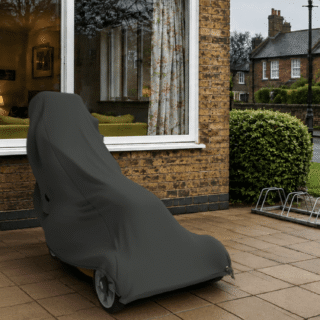
If you’re storing a seasonal kit like a lawn mower over the colder months, dedicated lawn mower covers shaped around the mower’s deck and handle do a noticeably better job than a generic tarpaulin, since there’s no excess fabric for wind to catch.
Choosing Heavy-Duty Waterproof Covers for Equipment
Not all covers are built the same, and for equipment that lives outdoors permanently, it pays to invest in something tougher than a basic tarp. Heavy-duty waterproof covers for equipment typically use denser, PVC-coated polyester fabrics that resist tearing, abrasion, and UV breakdown far longer than lightweight alternatives.
When choosing a cover, it’s worth checking:
- Fabric weight and denier — heavier fabrics generally last longer outdoors
- Mildew resistance — a PU-coated fabric helps stop mould forming in damp conditions
- Tie-down options — drawstrings, push clips, or grommets keep the cover secured in wind
- Custom sizing — a snug fit protects far better than a cover that’s simply “close enough”
For larger items, machinery, or anything with an unusual shape, browsing a full range of industrial equipment covers makes it easier to find or order custom-made ones. It’s a cover that actually matches the equipment, rather than settling for a generic fit. And if you need to protect something bulkier still, like stacked materials, a stored vehicle, or an entire work area, heavy duty tarpaulins offer the same level of weatherproofing in a more flexible, large-format option.
Final Thoughts
Outdoor equipment is expensive to replace and often inconvenient to repair, which makes weatherproofing one of the simplest, highest-value habits any owner can build. Whether it’s a generator, a mower, or a full set of industrial machinery, fitting the right waterproof cover after every use is one of the most effective ways to extend its working life and avoid the cost of rust, weather damage, and premature wear creeping in unnoticed.
Recent Comments