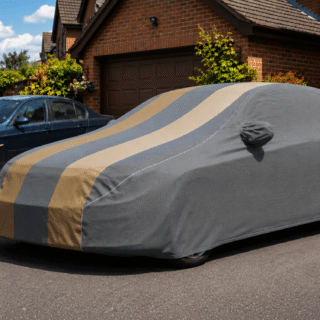


Whether you’re protecting a roof during repairs, covering equipment on a building site, sheltering a vehicle over winter, or setting up a weatherproof canopy for a camping trip — a tarpaulin is one of those purchases that seems simple until you actually need it to perform. Then, suddenly, the difference between a decent tarp and the wrong one becomes very clear.
The UK market is flooded with options, and not all of them are built equally. If you’ve ever bought a tarp that split after one storm, faded within a season, or simply wasn’t quite the right size, you’ll know exactly what we mean. So how do you cut through the noise and find the best tarpaulin UK buyers actually trust?
This guide walks you through the four key metrics that matter most — material, thickness, waterproofing, and UV protection — so you can match the right heavy-duty tarpaulin for your needs rather than just picking the cheapest option and hoping for the best.
Why Getting This Decision Right Actually Matters
A tarpaulin is a working tool. Whether it’s shielding timber from rain, keeping hay dry on a farm, or acting as a temporary roof covering, it’s expected to perform under real conditions — often for extended periods and without much supervision.
A substandard tarp doesn’t just fail to protect; it can cause damage. Moisture getting through a cheap cover can ruin stock, rot timber, or cause structural issues. For anyone relying on an industrial tarpaulin for commercial or trade use, the cost of a failed cover can far exceed the cost of buying the right one in the first place.
So before we get into specs and recommendations, here’s the core advice: buy for the job, not for the price tag.
Popular Products
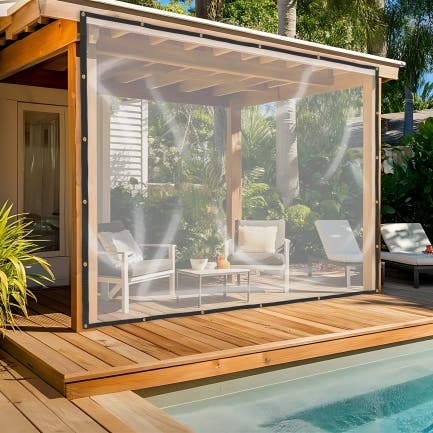
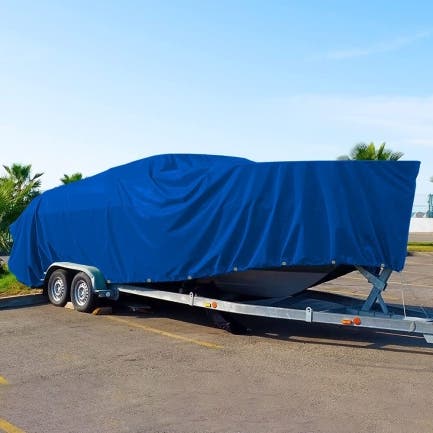
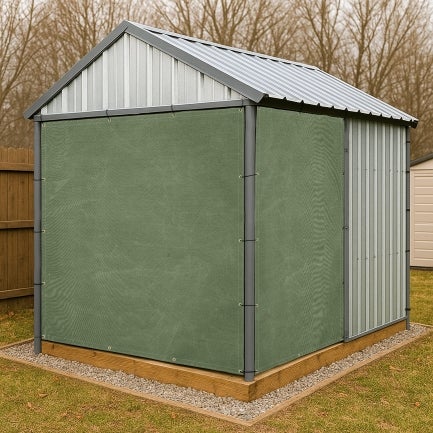
The Four Key Metrics to Evaluate
1. Material — The Foundation of Everything
The material a tarpaulin is made from determines almost everything else about its performance — how it handles rain, how long it lasts, how it responds to UV, and how well it stands up to physical wear.
The most common materials you’ll encounter when shopping for heavy-duty tarpaulin UK options are:
- Polyethylene (PE) — The most widely used tarp material. Lightweight, waterproof, and affordable. PE tarps are available in a wide range of thicknesses and are suitable for general-purpose use. They’re not the most durable under prolonged mechanical stress but handle most everyday applications well.
- PVC (Polyvinyl Chloride) — The material of choice for heavy-duty and industrial applications. PVC tarps are significantly more robust than PE, highly resistant to tearing, and hold up well against chemicals, abrasion, and sustained weather exposure. If you need a waterproof tarpaulin UK for demanding conditions, PVC is usually the right answer.
- Canvas — A traditional option that breathes better than synthetic materials. Canvas tarps are often used in agricultural settings and for covering vehicles or equipment where some air circulation is beneficial. They’re heavier but extremely durable and tend to last longer than PE when cared for properly.
- Laminated Fabrics — Often used in custom tarpaulins and specialist applications, laminated options combine layers for enhanced performance — typically a woven core with waterproof outer coatings for maximum strength and weather resistance.
For most domestic and semi-professional use, a high-quality PE or PVC tarp will serve you well. For trade, agriculture, or construction, PVC or laminated options are almost always the better investment.
2. Thickness — Understanding GSM and Mil
This is where a lot of buyers get confused, and it’s worth taking a moment to understand what the numbers actually mean.
Tarpaulin thickness is typically measured in one of two ways:
- GSM (Grams per Square Metre) — Used more commonly in the UK, GSM tells you how heavy the fabric is per unit area. A higher GSM generally means a denser, heavier, and more durable tarp.
- Mil — A unit of thickness equal to one-thousandth of an inch. More commonly used in the US but sometimes referenced on imported products.
So what GSM tarpaulin is best for outdoor use in the UK? Here’s a practical breakdown:
For most UK outdoor applications — including roofing, garden cover, and camping — a tarp in the 120–200 GSM range will handle typical British weather comfortably. If you’re on a building site or need something for prolonged heavy-duty use, 300 GSM and above is where you want to be.
When comparing best heavy-duty tarpaulins for roofing, garden, and camping UK options, always check the GSM before assuming a tarp is fit for purpose based on price alone.
3. Waterproofing — Not All Tarps Are Truly Waterproof
This is a critical distinction that catches many buyers out. Water-resistant and waterproof are not the same thing.
- Water-resistant tarps repel light rain and surface moisture but may allow water to seep through under sustained or heavy rainfall — particularly at seams and reinforced edges.
- Waterproof tarps are fully sealed against water penetration, typically through a coating or lamination process. For roofing, flood protection, or any application where water ingress is genuinely not an option, you need confirmed waterproof certification.
When evaluating a waterproof tarpaulin UK product, look for:
- A confirmed waterproof rating (not just “water-resistant”)
- Sealed or heat-welded seams rather than stitched-only seams
- Reinforced eyelets and edges — these are often weak points where water finds its way through
For anyone asking whether heavy-duty tarpaulin vs standard tarp — which should you buy in the UK — waterproofing is usually the deciding factor. Standard tarps handle dry storage and light cover. When weather protection is the primary function, a heavy-duty waterproof option is always the safer choice.
4. UV Protection — Often Overlooked, Always Important
The UK might not be known for relentless sunshine, but UV degradation is still a very real concern — particularly for tarps left outdoors for extended periods. A tarp that breaks down under UV exposure will become brittle, lose its waterproofing properties, and eventually crack or tear.
Good UV protection in a tarpaulin typically comes from:
- UV stabilisers added to the base material during manufacturing
- UV-resistant coatings applied to the outer surface
- Colour and opacity — darker, denser colours tend to block more UV than lighter, thinner materials
If you’re covering something long-term — a boat over winter, equipment on a farm, or materials on a construction site — UV protection is not a nice-to-have. It directly affects how long the cover lasts and how well it continues to perform.
How to Choose the Right Size and Weight Tarpaulin for Any Job in the UK
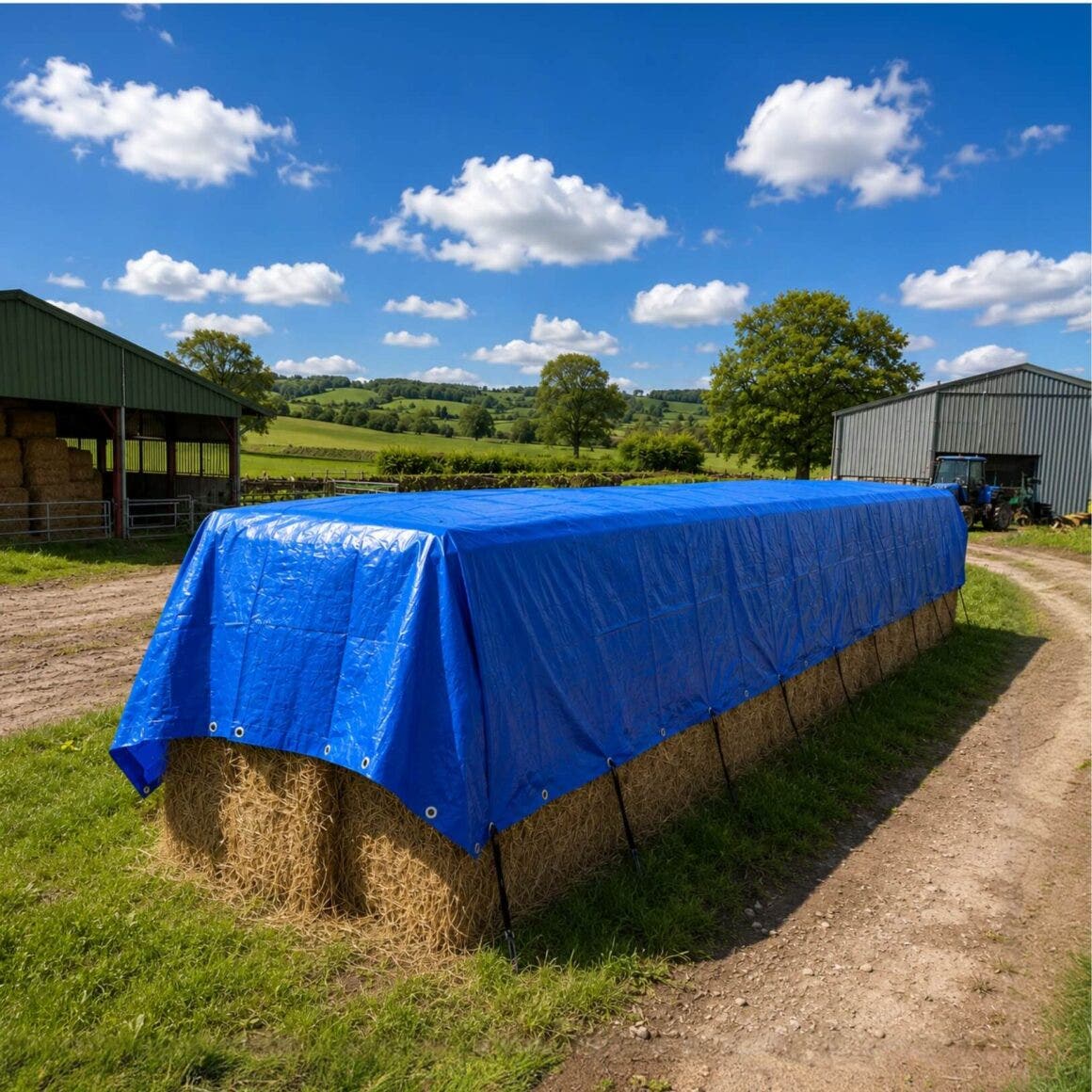
Getting the size right is just as important as getting the material right. A tarp that’s too small leaves edges exposed; one that’s too large pools water, catches wind, and creates its own problems.
A few practical rules:
- Add at least 30–50cm overhang on each side for any covering application. This ensures proper run-off and prevents water from tracking under the edges.
- For roofing use, measure the full span of the damaged or exposed area and add a significant overlap — typically a minimum of 1 metre on each side to account for pitch and wind movement.
- For camping and shelter use, consider how the tarp will be pitched. A flat coverage area of 3x3m might only offer a 2x2m usable shelter space once angled correctly.
- Weight matters for transport and handling — a 300 GSM PVC tarp at 6x8m is a substantial piece of kit. If you’re working alone or need to move the cover frequently, a high-GSM tarp may be impractical regardless of its performance credentials.
For anything with non-standard dimensions or specific requirements, custom tarpaulins from Covers & All are manufactured to your exact size — eliminating the compromise of trying to make a standard size work for an irregular space.
When to Consider Specialised Tarpaulins
Standard heavy-duty tarps cover most situations, but there are specific applications where specialised tarpaulins are genuinely the better option:
- Scaffold tarps — Designed with wind-permeable mesh panels to reduce load on scaffolding structures while still providing weather protection on construction sites.
- Hay and silage covers — Agricultural tarps built with specific weight, opacity, and airtight properties for crop storage.
- Trailer and haulage covers — Reinforced, ratchet-compatible tarps designed to stay secure at motorway speeds.
- Printed and branded tarps — For events, construction hoardings, or commercial applications where appearance matters alongside performance.
If your use case doesn’t fit neatly into the standard category, it’s worth exploring what specialist options are available before defaulting to a generic product.
Heavy-Duty Tarpaulin vs Standard Tarp — Which Should You Buy?
To directly answer one of the most common questions UK buyers ask — here’s a straightforward comparison:
The honest answer is: if you need it to work reliably under real UK weather conditions, for more than a few weeks, a heavy-duty tarpaulin UK product is almost always the right call. The small additional cost upfront is almost always cheaper than replacing a failed standard tarp — or dealing with the damage a failed cover causes.
Final Thoughts
Identifying the best tarpaulin UK buyers can rely on isn’t complicated once you know what to look for. Evaluate your specific requirements against material, GSM, waterproofing, and UV protection — and match each of those factors to the actual conditions the tarp will face.
For most outdoor applications in the UK, a PVC or high-GSM polyethylene heavy-duty tarpaulin with confirmed waterproofing and UV stabilisation will serve you well. For anything more specific — unusual sizes, trade requirements, or specialist use cases — custom tarpaulins and specialised tarpaulins from Covers & All give you a solution built precisely around your needs.
Because when a tarpaulin needs to do its job, there’s no substitute for buying the right one.
Recent Comments