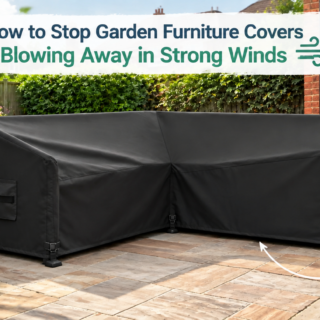
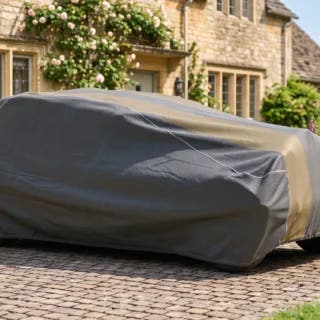
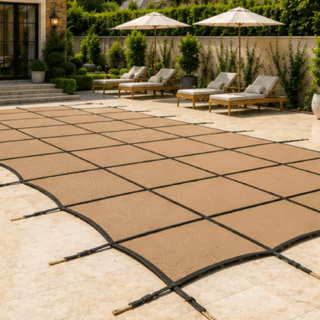
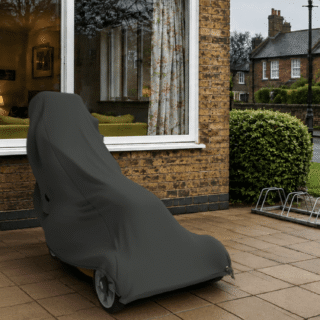
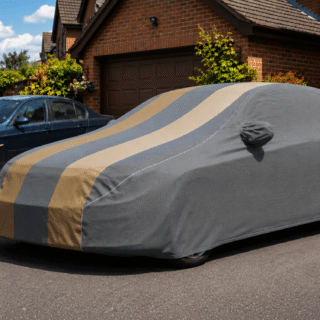

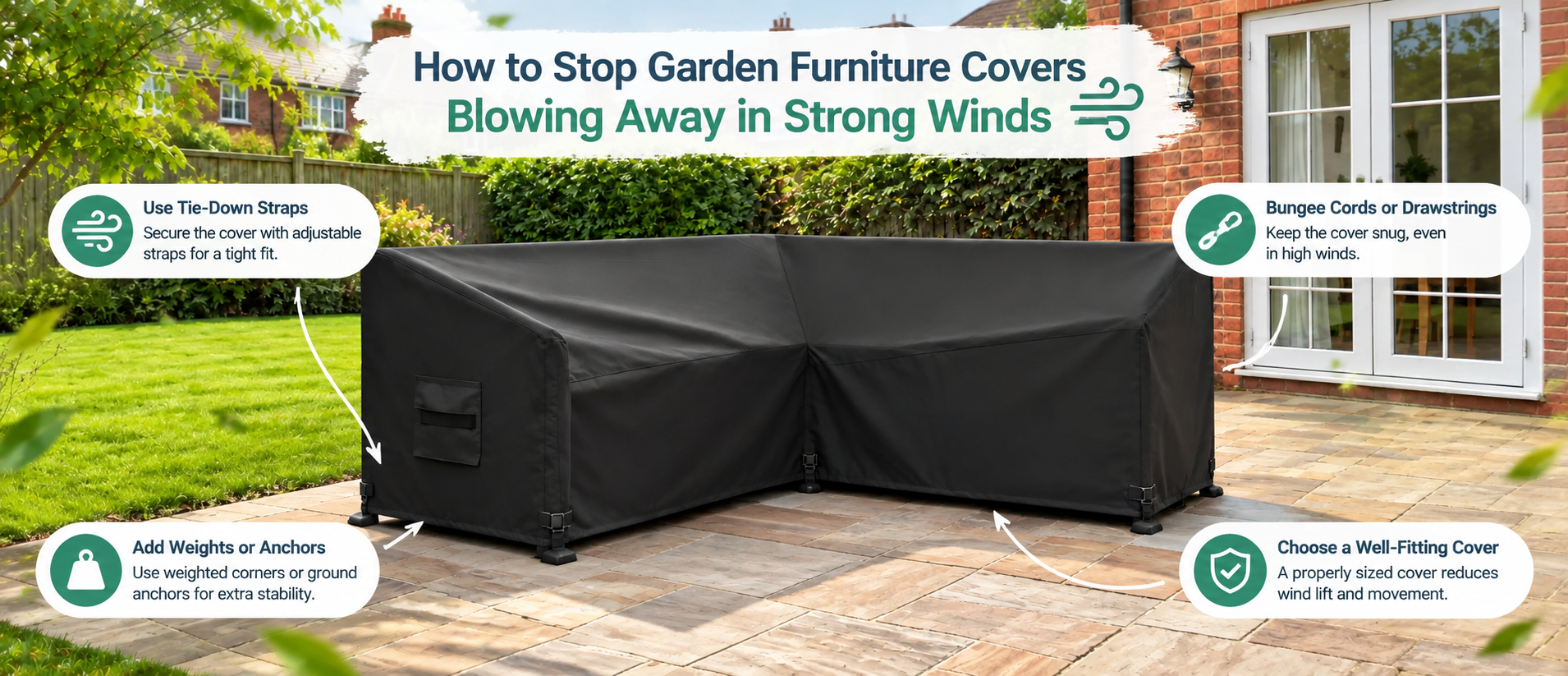
There’s nothing quite so deflating as looking out the kitchen window on a blustery morning to find your furniture cover halfway down the garden, tangled in the hedge, with your rattan set sitting exposed to the rain again. It’s a familiar scene up and down the country — British weather doesn’t do gentle breezes for long, and a cover that isn’t properly secured rarely lasts a season.
The good news is that a cover blowing off isn’t usually down to bad luck. It’s almost always down to fit, fabric, or fixings — and all three are fixable.
Why Covers Take Off in the First Place :Wind doesn’t need to be gale-force to cause trouble. Even a moderate gust can get underneath a loose-fitting cover and lift it like a sail, and once air’s got underneath, it’s a matter of when, not if, it comes free. The usual culprits are covers bought a size too generous “to be safe,” covers without any real anchoring, and thin fabric that flaps rather than sits flat.
Garden furniture covers are exposed to more sustained wind than most outdoor textiles, simply because they’re draped over a shape rather than fitted to it. That gap between fabric and furniture is exactly where the problem starts.
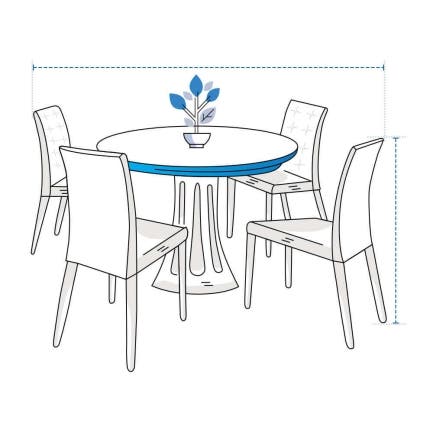
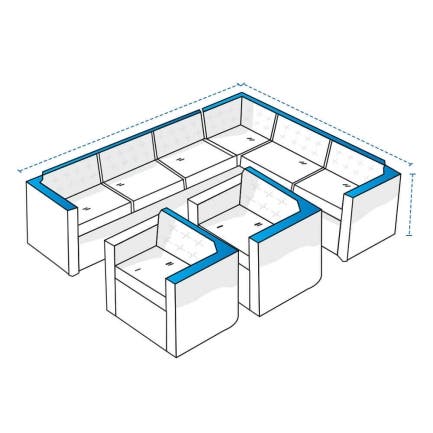
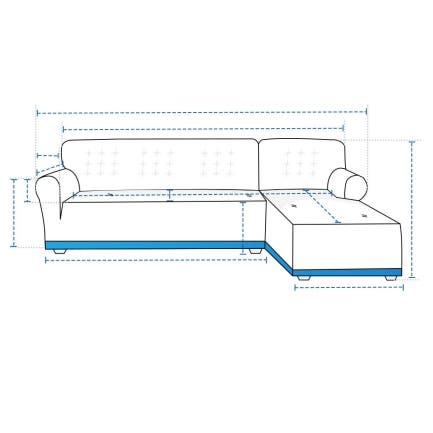
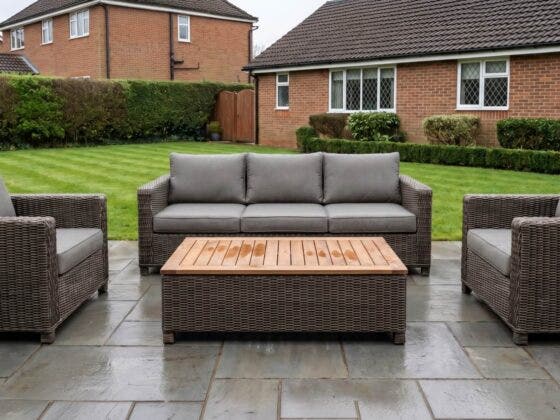
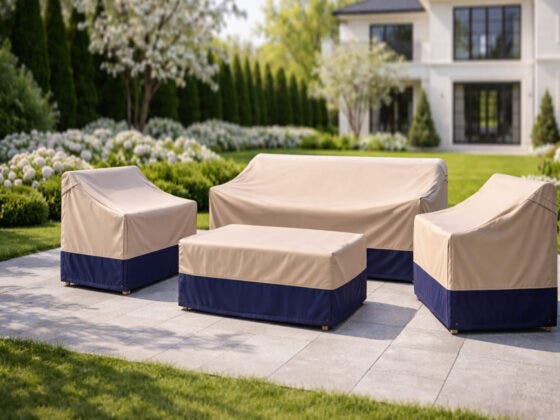
Get the Fit Right First : A cover that’s cut for your furniture, rather than roughly the right size, is the single biggest difference-maker. Off-the-shelf covers are a reasonable starting point for standard sets, but anything unusually shaped — a corner sofa, a large rattan set, a bespoke outdoor kitchen — tends to fare much better under custom garden furniture covers made to the actual dimensions. Less excess fabric means less for the wind to catch hold of.
If you’re sticking with a standard size, go for the closest possible fit rather than sizing up. A slightly snug cover with proper tie-downs will outlast a loose one every time.
Look for Proper Fixings, Not Just a Drawstring : A drawstring hem alone won’t do much once the wind picks up. What keeps a cover in place: Elasticated hems that pull the fabric taut against the frame, rather than leaving loose edges to catch. Adjustable straps or buckles underneath the furniture, which anchor the cover from below rather than relying on gravity. Grommets with ties or pegs, particularly useful for freestanding sets away from a wall or fence.
For anything on a patio or decking that catches wind from more than one direction, straps that clip underneath the seat or table legs make a genuine difference — they stop the whole cover from lifting as one sheet.
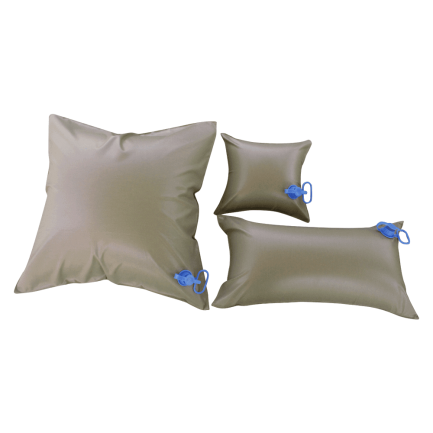
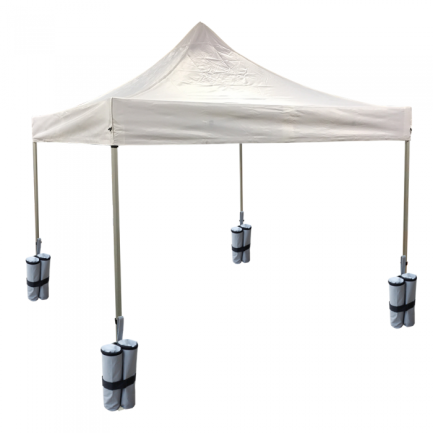
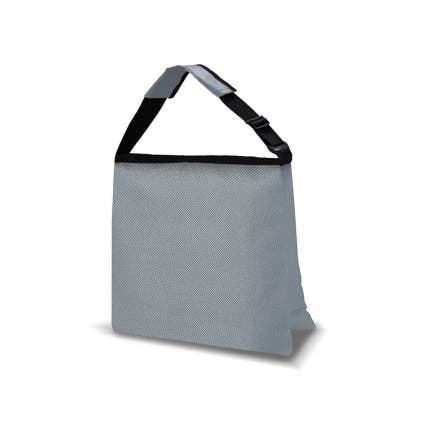
Weight it Down Sensibly : Where a cover doesn’t have built-in anchoring, a bit of sensible weighting helps — though it’s worth doing this properly rather than lobbing a brick on top, which tends to damage the fabric over time. Purpose-made cover weights, sandbags, or even filled water weights sit more evenly and won’t wear through the material the way a hard edge will.
Choose Fabric That’s Built for Wind, Not Just Rain : Waterproofing gets most of the attention, but fabric weight and weave matter just as much for wind resistance. Lighter, thinner materials flap more and are more prone to tearing at the seams under repeated gusts. Heavier woven polyester or PVC-backed fabrics sit flatter and hold their shape better in weather that’s more about wind than downpour — which, let’s be honest, describes most British autumns and winters.
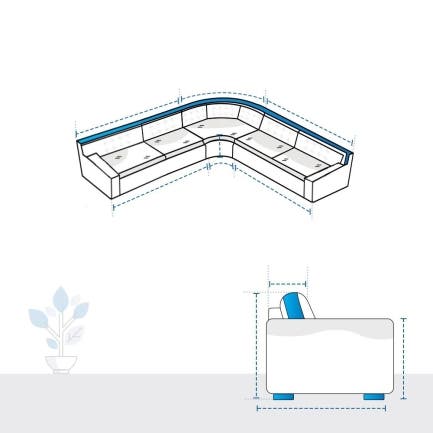
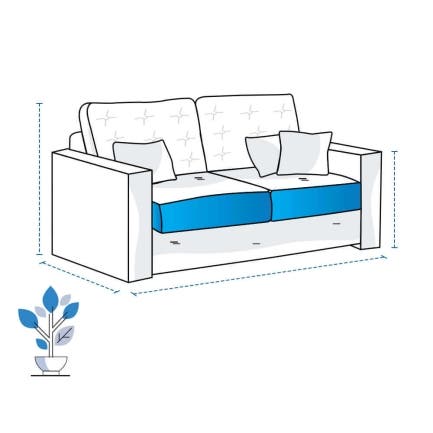
For an outdoor sofa or sectional, a well-fitted sofa cover in a heavier fabric will generally outperform a lighter one, even if the lighter version looked neater in the shop.
Popular Products
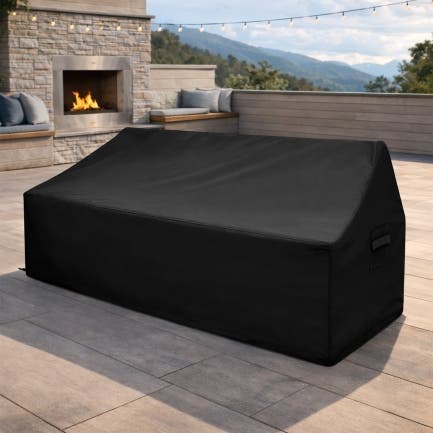
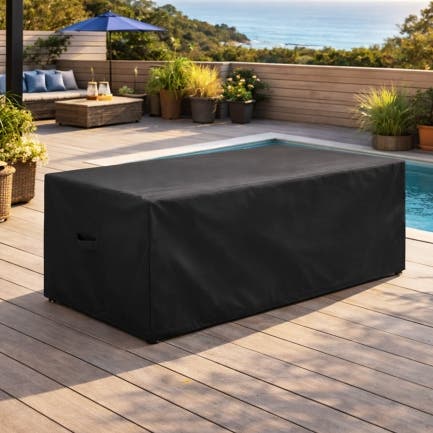
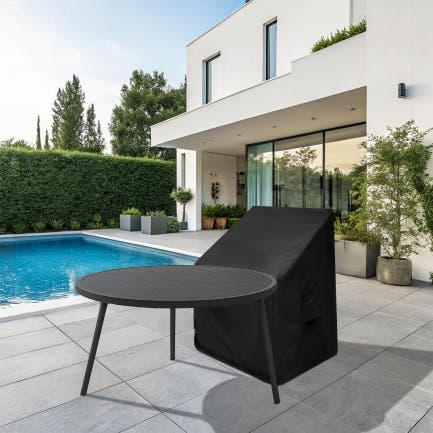
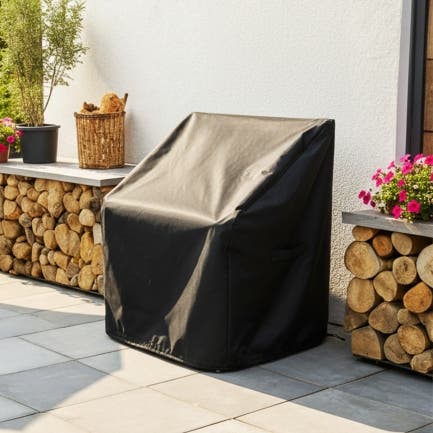
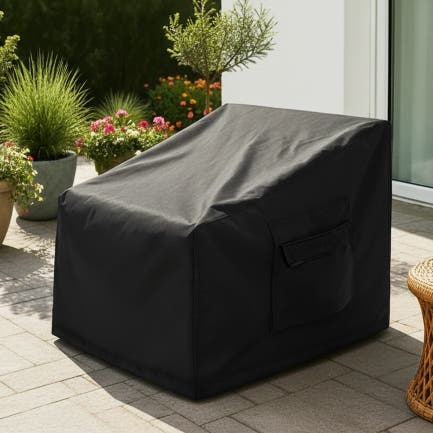
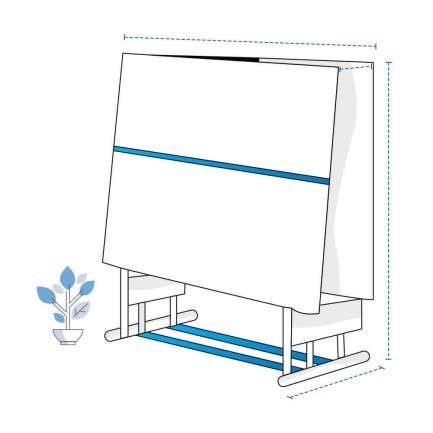
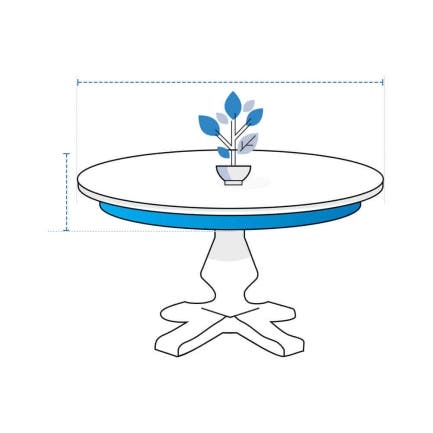
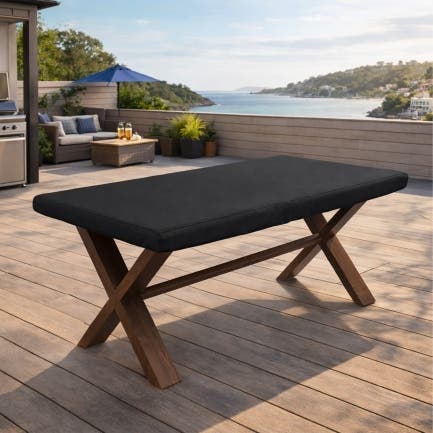
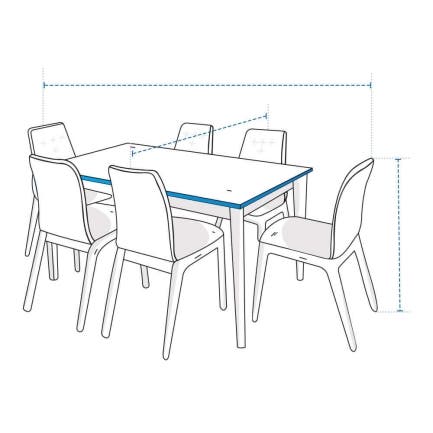
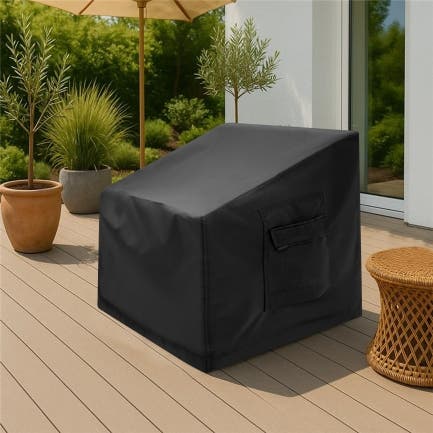
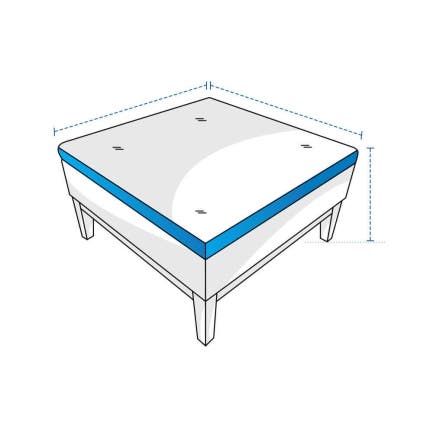
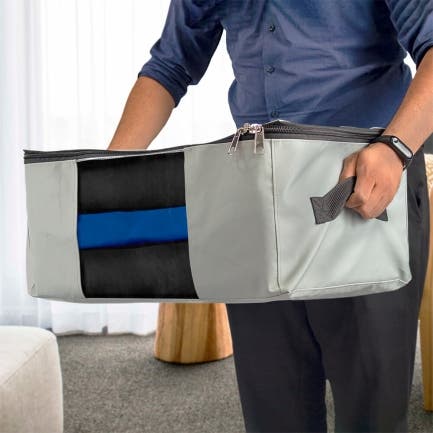
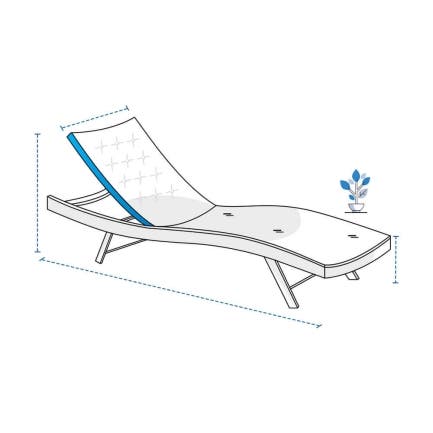
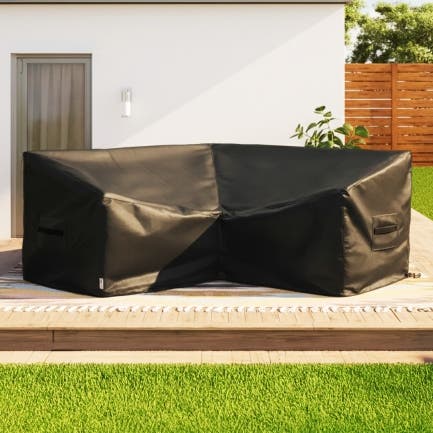
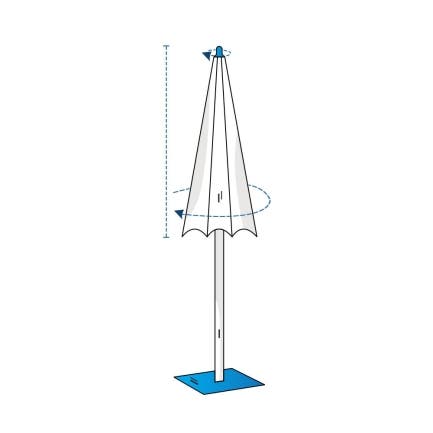
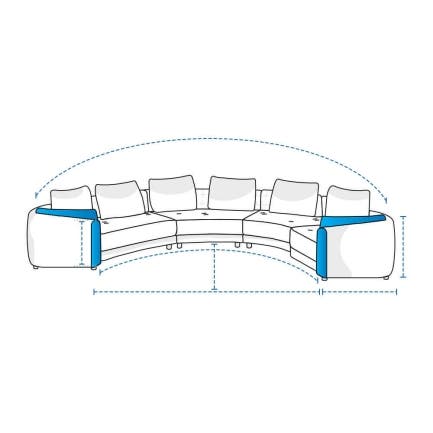
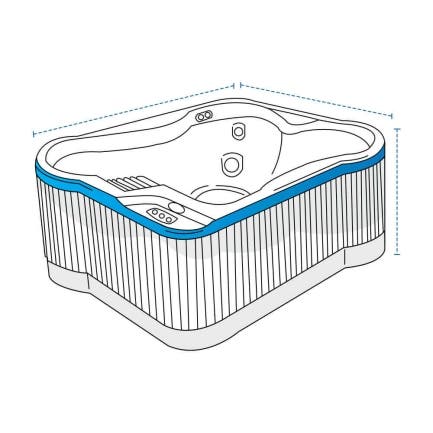
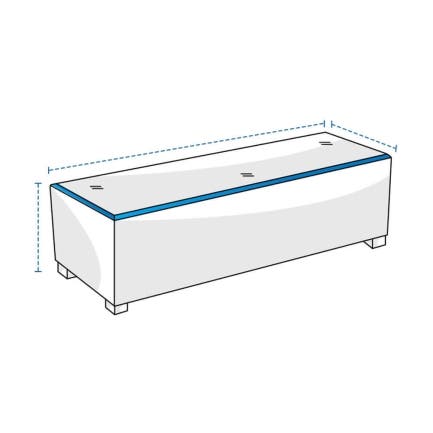
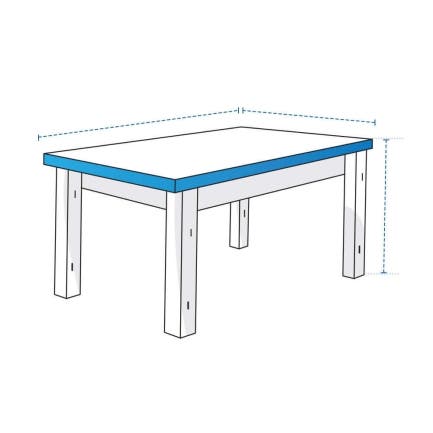
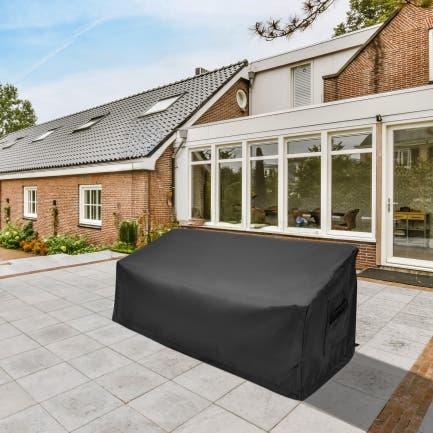
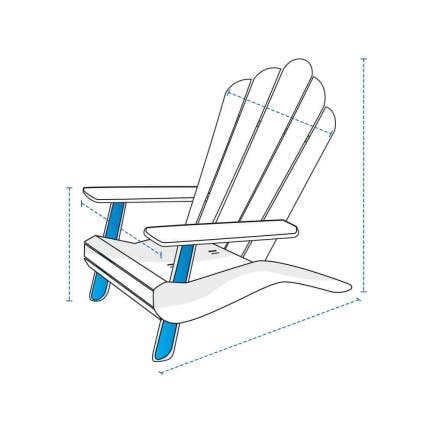
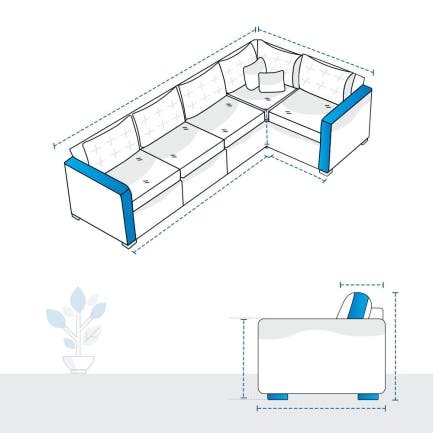
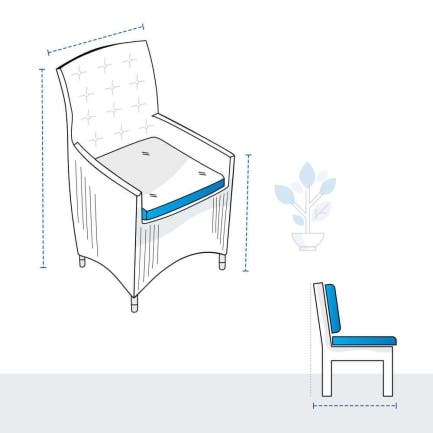
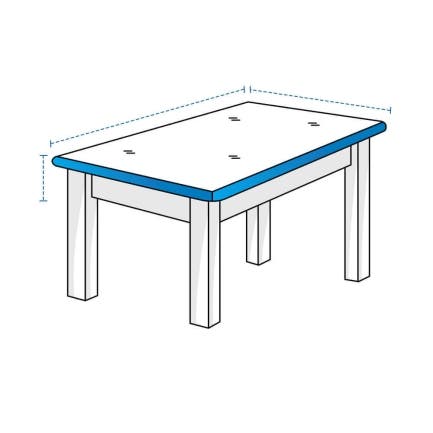
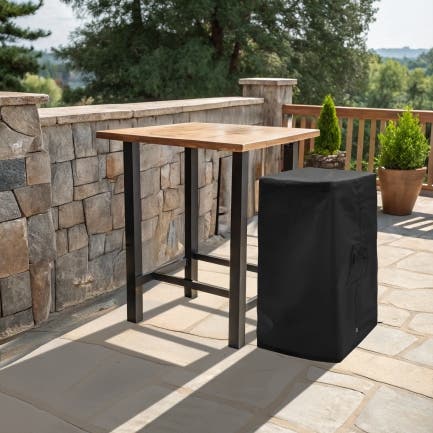
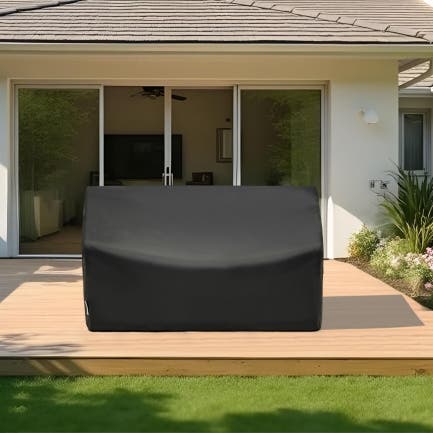
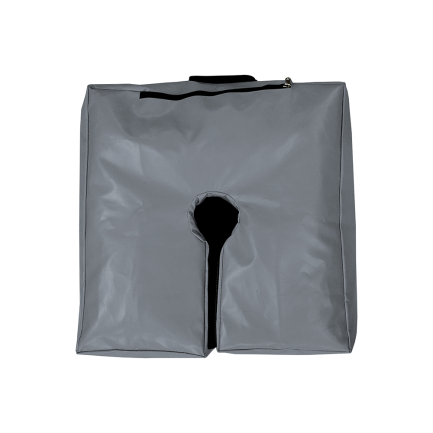
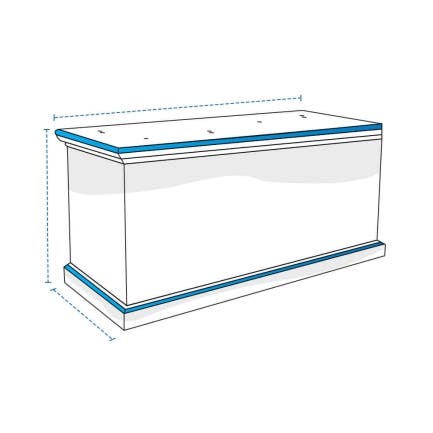
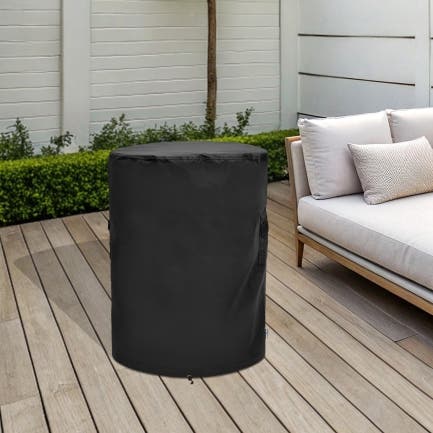
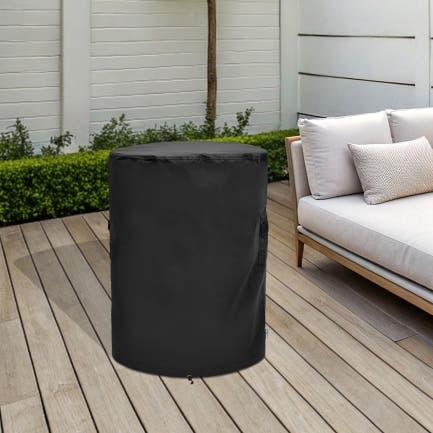
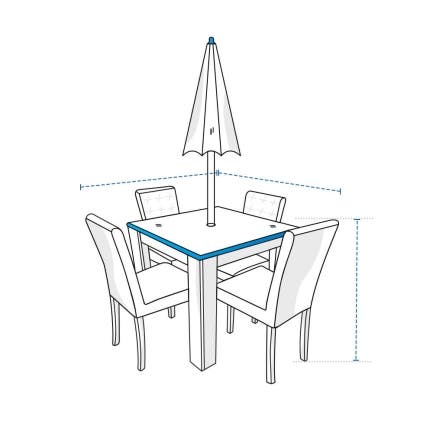
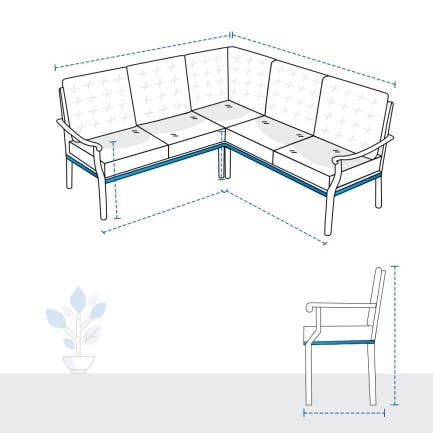
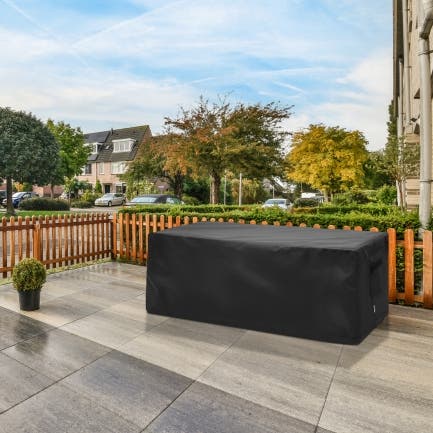
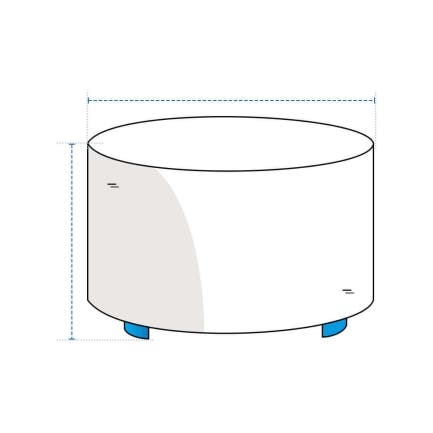
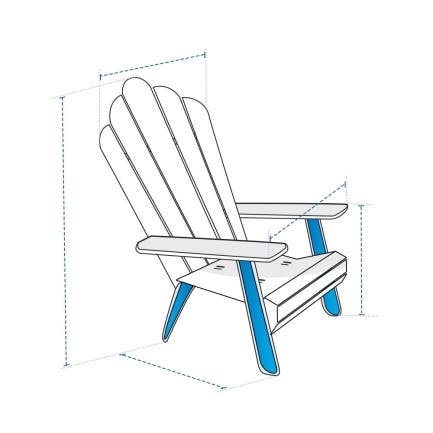
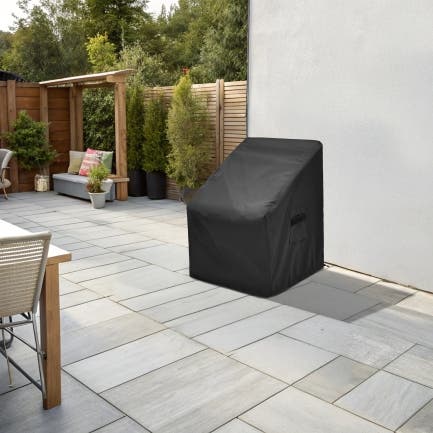
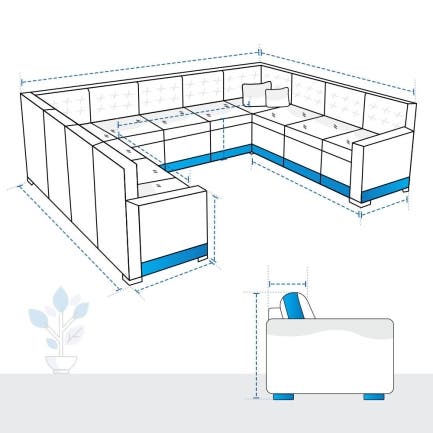
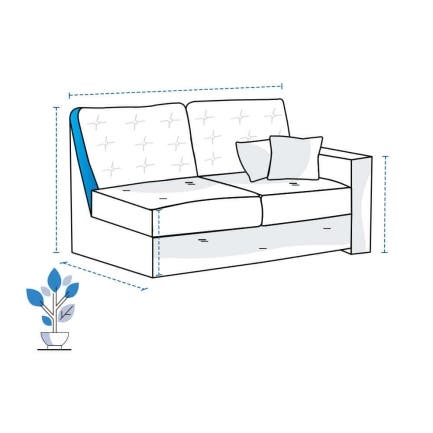
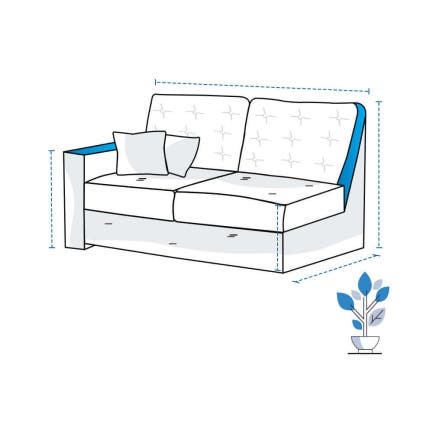
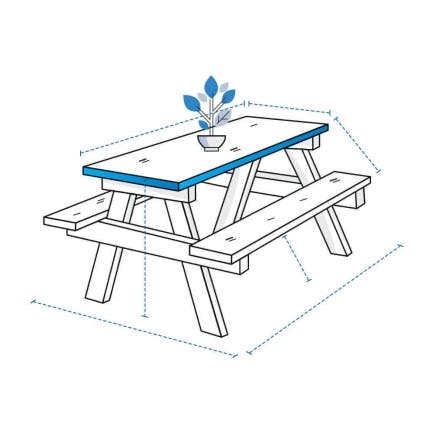
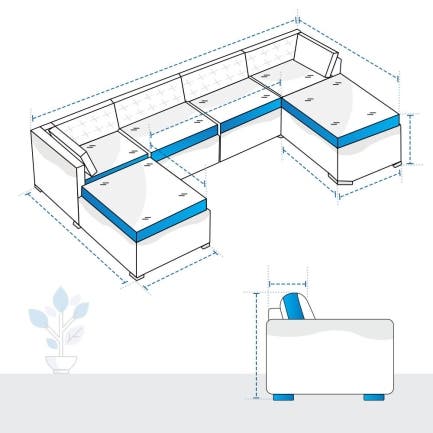
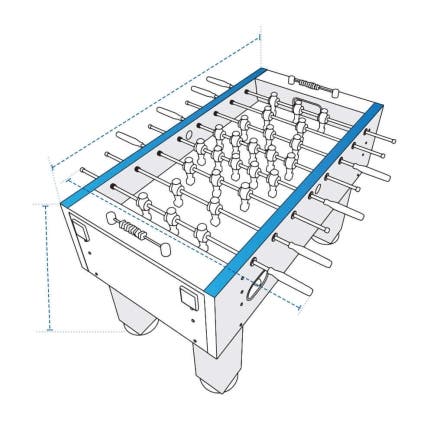
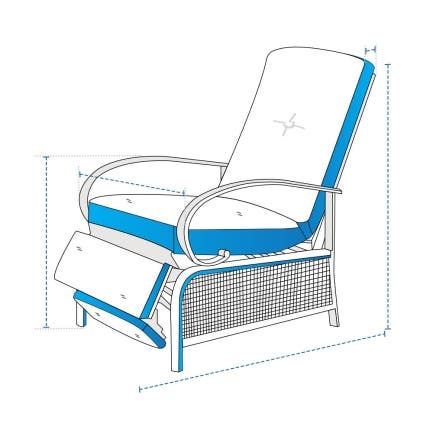
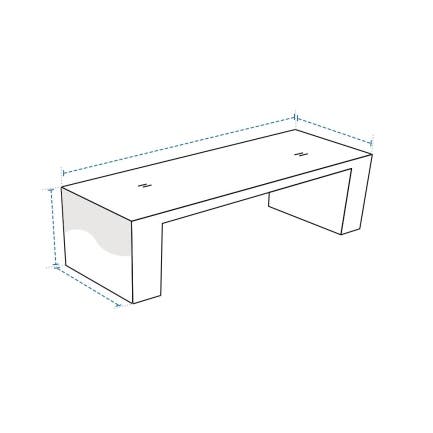
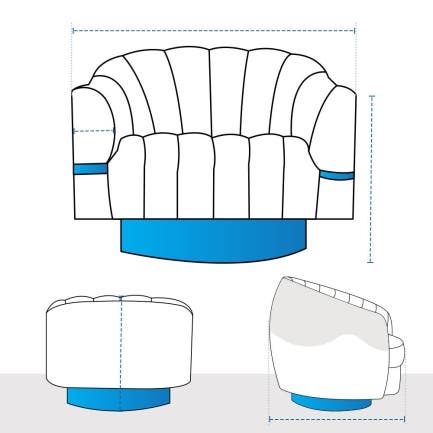
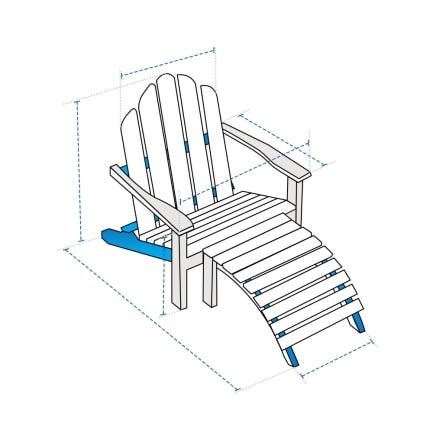
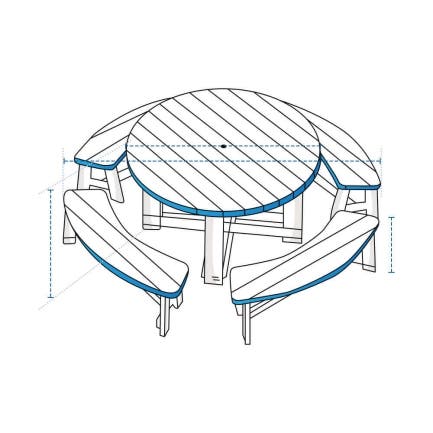
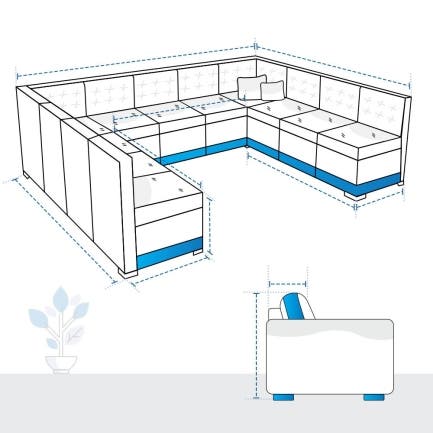
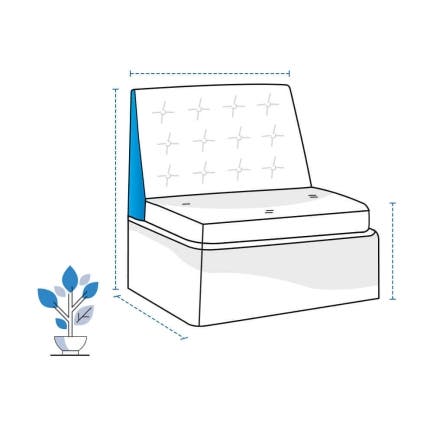
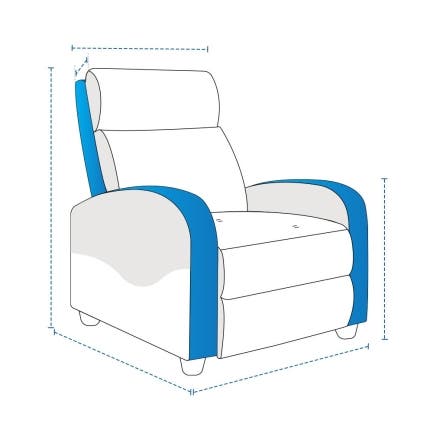
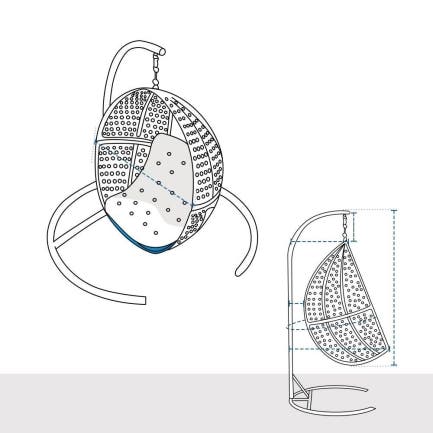
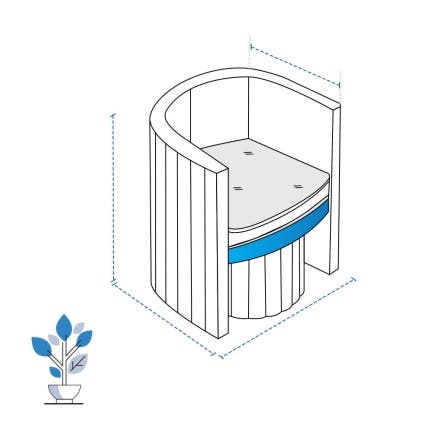
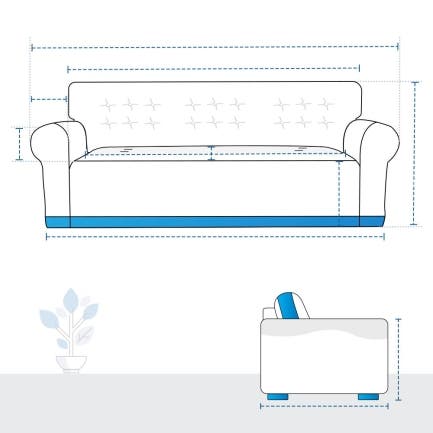
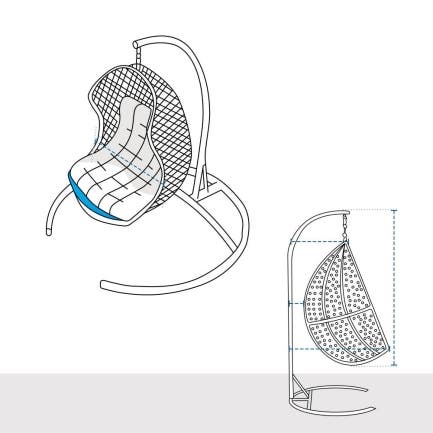
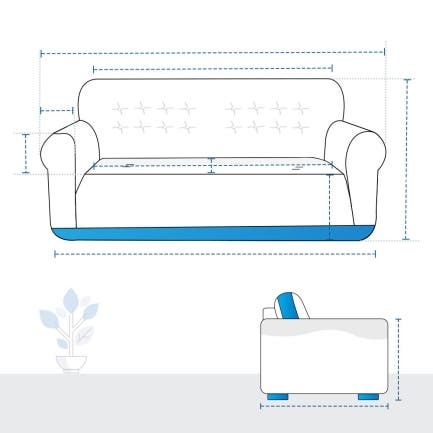
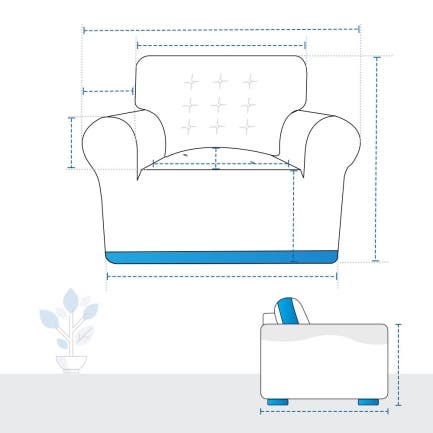
Don’t Forget the Rest of the Garden : Furniture isn’t the only thing at risk once the wind gets up. Barbecues and outdoor kitchen units benefit from the same principle – a properly fitted BBQ cover with straps underneath, rather than one that simply drapes over the top, is far less likely to end up in next door’s garden. The same goes for taller pieces like parasol bases or outdoor storage — anything with a bit of height catches more wind and is worth checking before a forecast turns.
A Few Minutes Before the Forecast Turns : Most of this comes down to a quick check before a windy spell hits: is the cover anchored, or just draped? Are the straps done properly, not left loose? If there’s a named storm on the way, it’s worth bringing furniture nearer to a wall or fence for extra shelter, where the wind has less of a run-up.
None of this needs to be complicated. Get the fit right, choose fixings that hold, and pick a fabric with some weight to it — and your furniture cover will stay exactly where you left it, storm or no storm.
Published by Roop Srishti – SEO Manager, Covers & All
Roop is an Digital Marketing Enthusiast professional focused on driving growth and improving search visibility for Covers & All.




Recent Comments