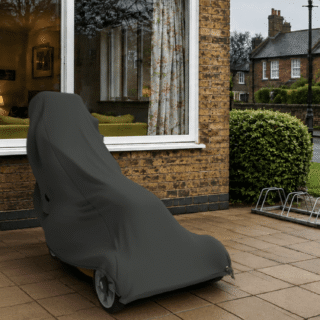

British weather doesn’t wait for you to get organised. One dry weekend and the next it’s sideways rain, then frost, then a random 15°C day that makes everyone think summer’s back. Through all of it, your garden furniture is outside taking the hit – cushions soaking through, wood swelling, metal frames starting to rust. Knowing how to prepare your garden for autumn properly, before the weather properly turns, saves you a much bigger job coming spring.
Why Autumn Catches People Out
Summer damage is obvious – sun-bleached fabric, faded cushions. Autumn damage is sneakier. It’s weeks of damp air settling into wood grain. It’s a metal frame that looks fine but is quietly rusting from the inside of a joint. It’s cushion foam that holds onto moisture long after the rain’s stopped, going mouldy where you can’t even see it. By the time it’s obvious, the damage is already done. That’s really the whole case for autumn garden furniture protection – not reacting to weather but getting ahead of it.
Step One: Clean and Dry Everything First
Don’t skip straight to covering things up. A cover thrown over a damp, grimy table just traps the problem underneath. Give everything a proper wipe-down – soapy water for most surfaces, a soft brush for anything with texture like rattan or wicker. Let it dry completely before you cover it. If it rained yesterday, wait another day. Trapped moisture under a cover is genuinely worse than leaving furniture exposed altogether.
Step Two: Get the Right Covers On
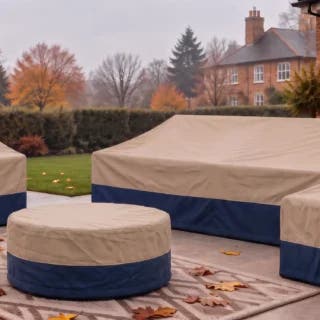
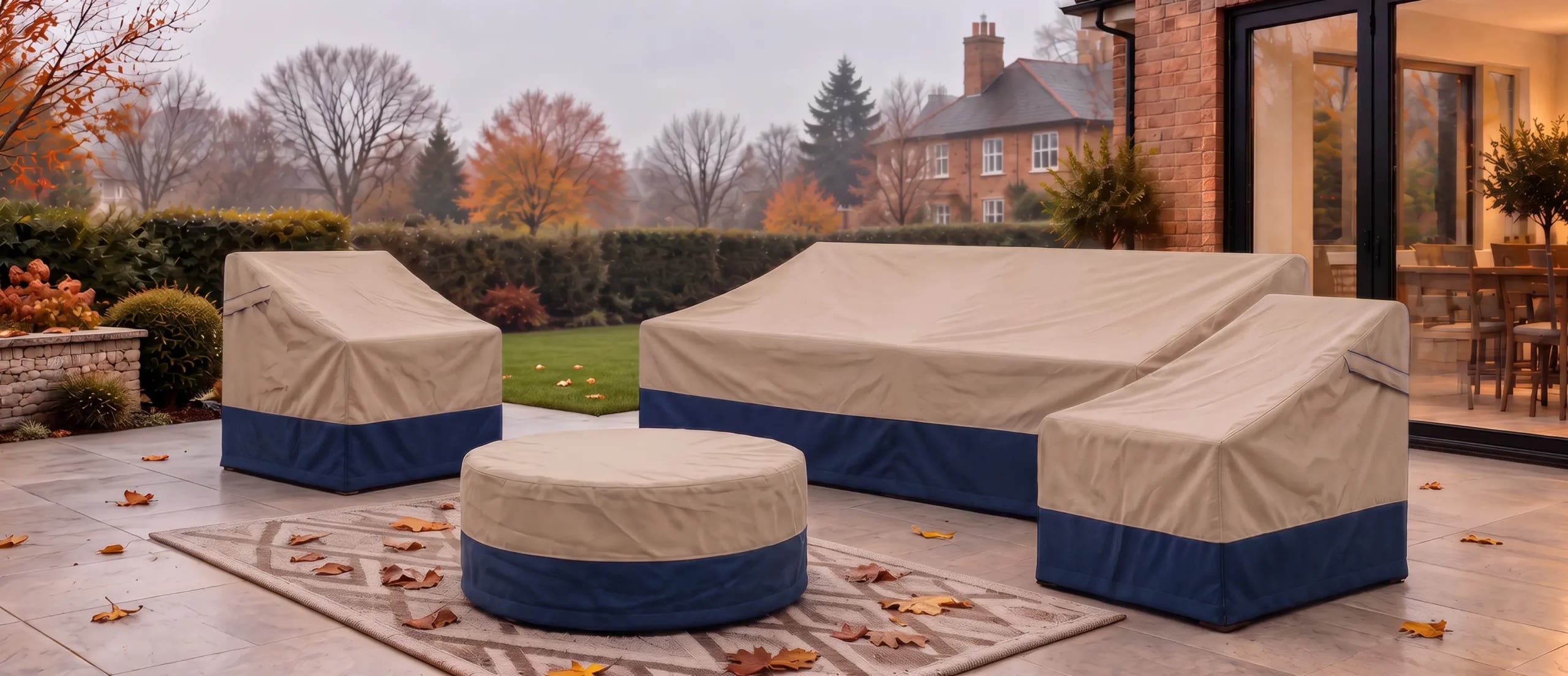
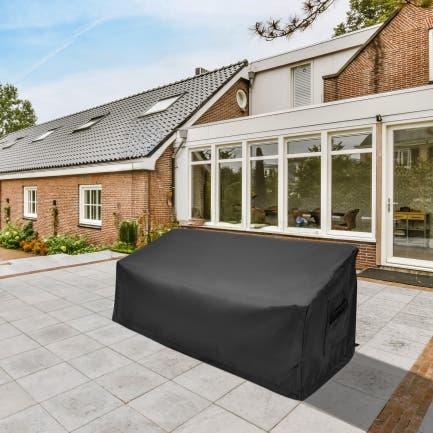
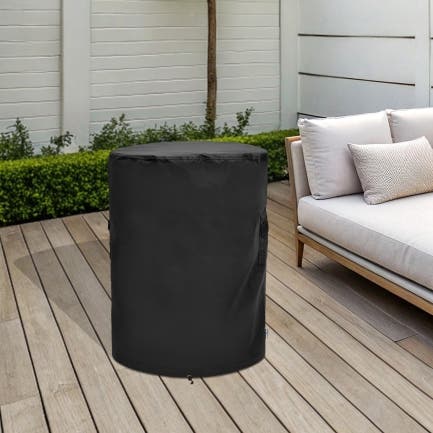
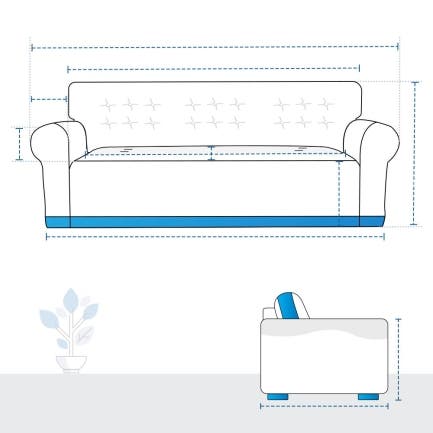
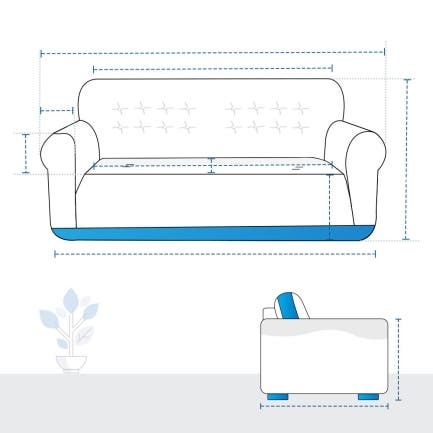
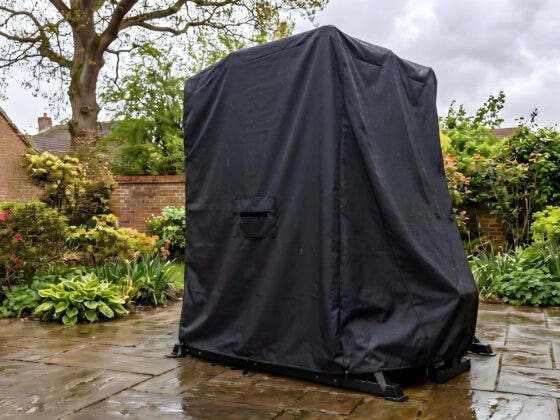
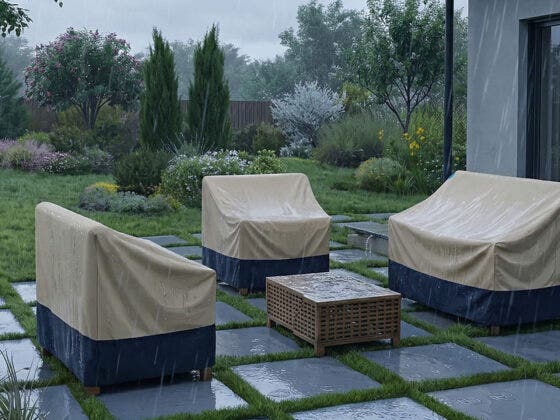
This is where most gardens fall. A cheap, loose-fitting cover from a bargain bin flaps in the wind, let’s rain in at the seams, and rips within a season. Proper made to measure covers are shaped to the piece they’re protecting — snug enough that wind won’t get underneath, breathable enough that condensation doesn’t build up inside.
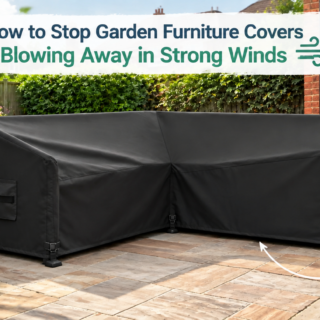
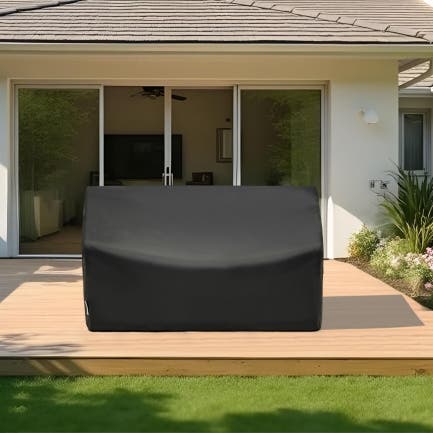
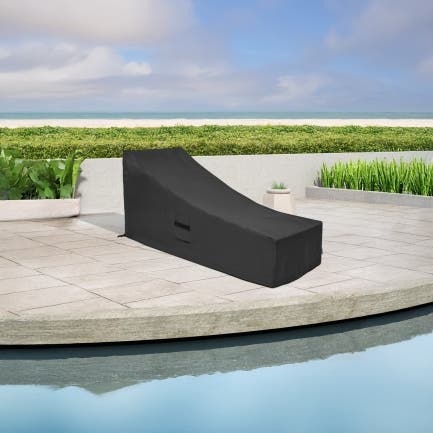
Look specifically for waterproof garden covers rather than anything labelled “water-resistant” – resistant means it holds off a light shower, not weeks of persistent British drizzle. And where covers are cut to fit closely, go for weatherproof outdoor furniture covers that account for wind as much as rain; a cover that’s waterproof but keeps blowing off in a gust isn’t doing its job either.
Piece by Piece: What Actually Needs Covering
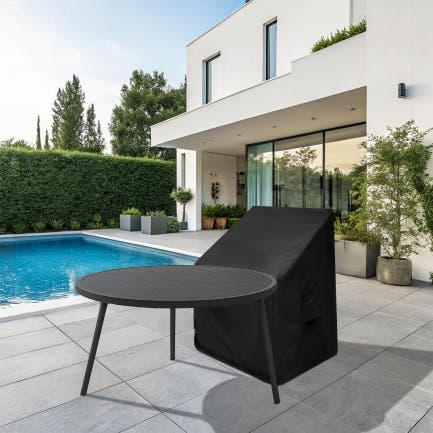
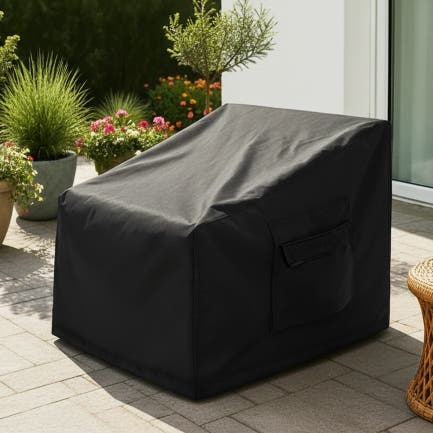
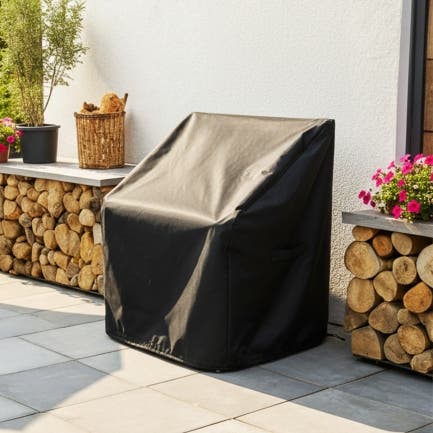
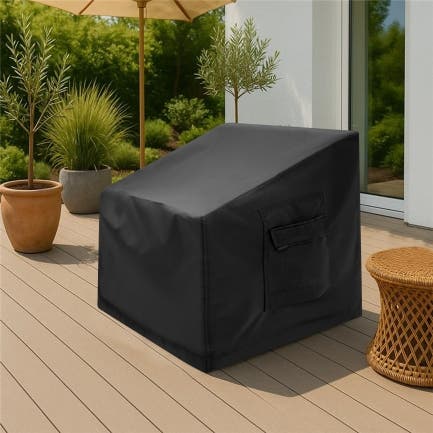
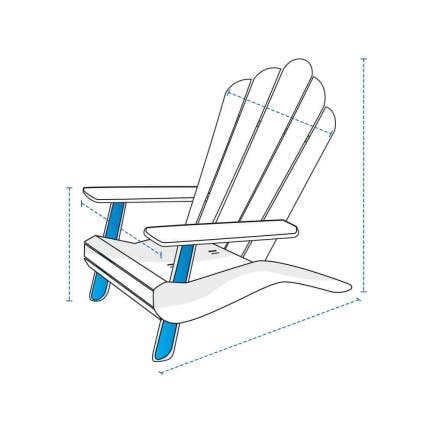
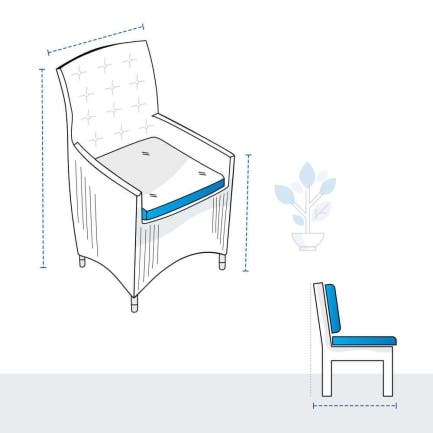
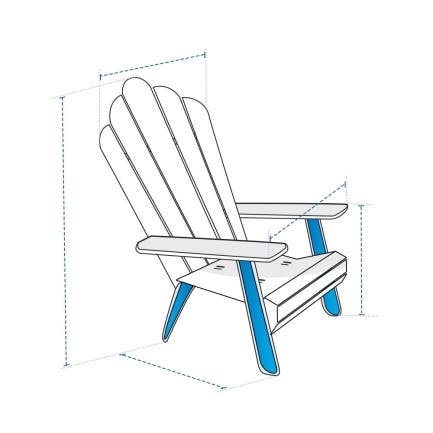
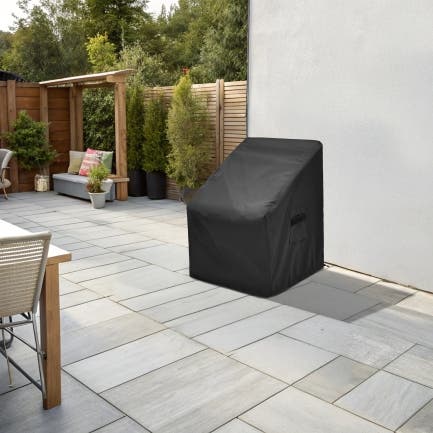
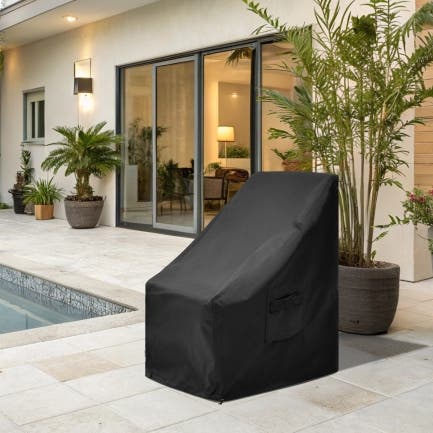
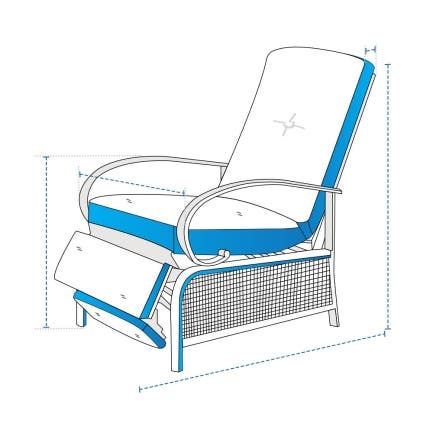
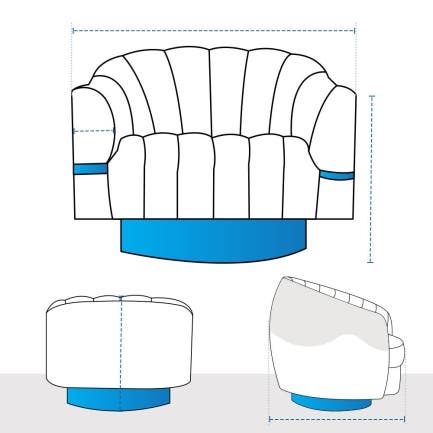
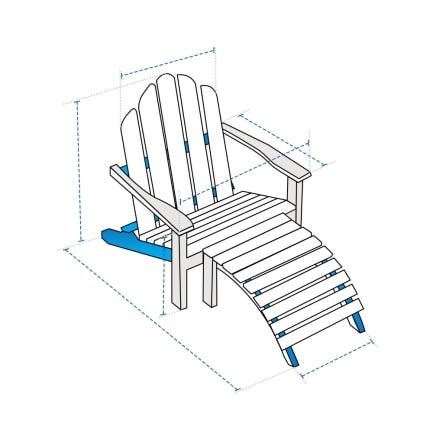
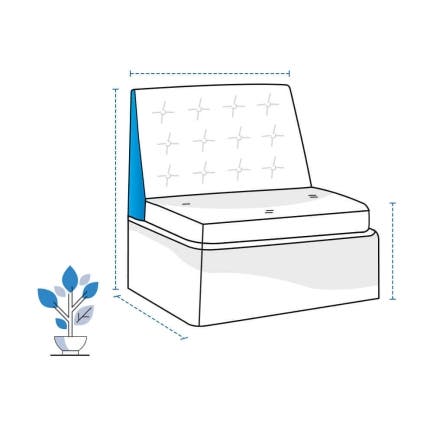
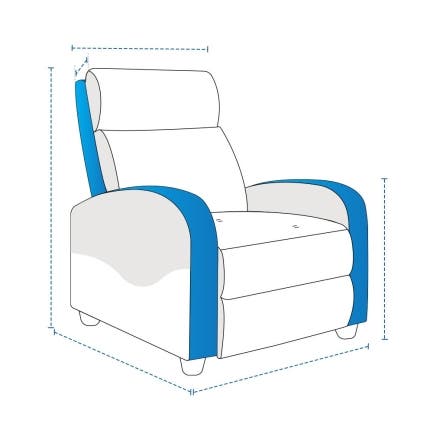
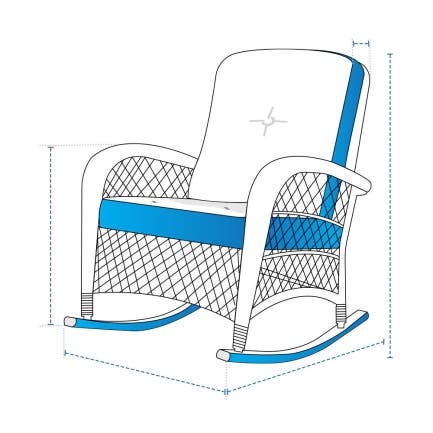
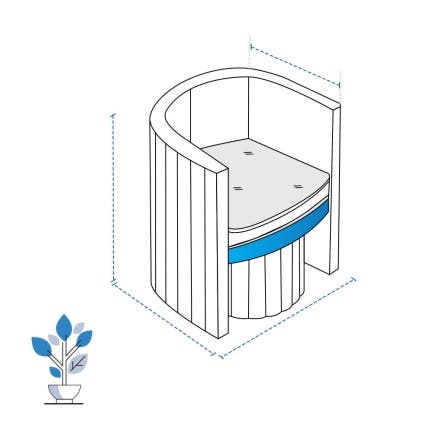
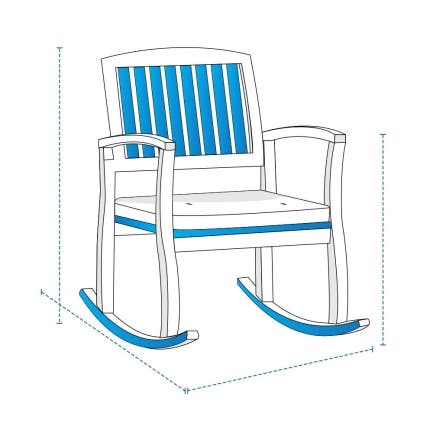
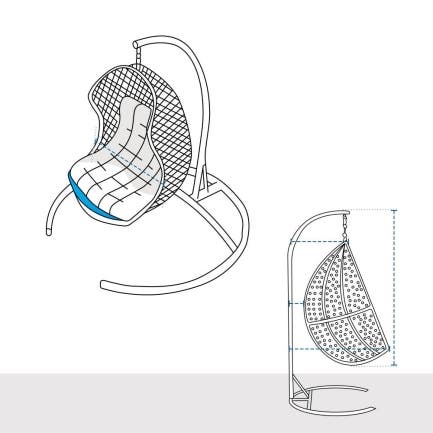
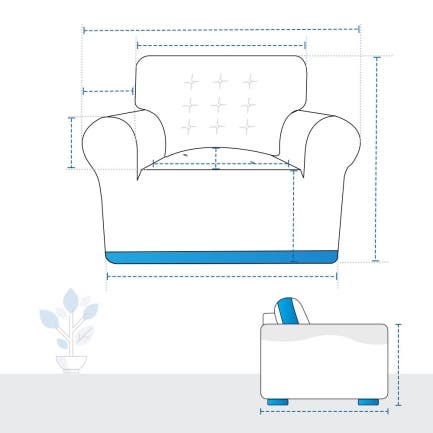
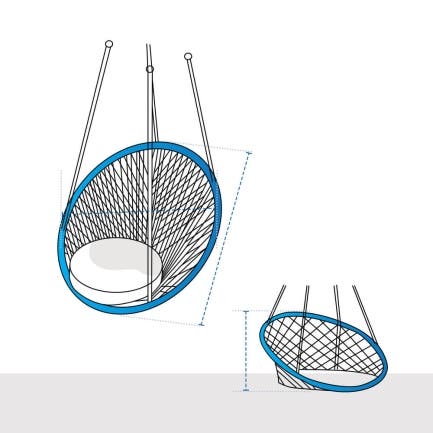
Chairs take a surprising amount of punishment – rain pools in the seat if left uncovered, and cushion foam underneath soaks it up like a sponge. A set of outdoor chair covers fitted to your exact chairs stops water pooling where you’d never think to check.
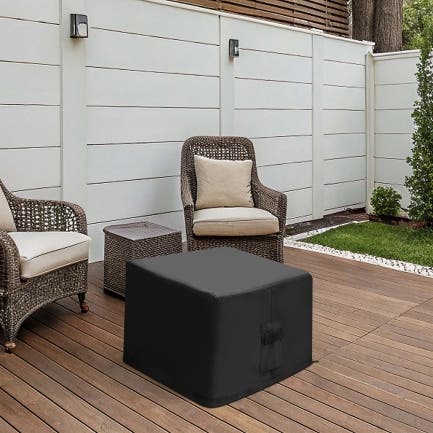
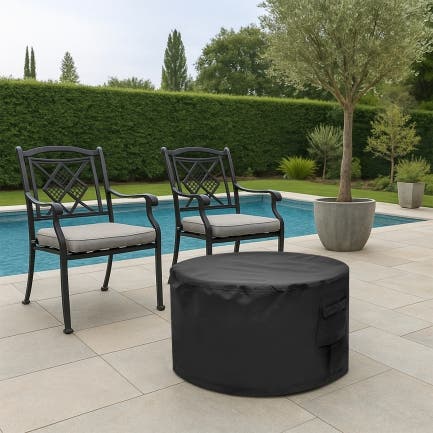
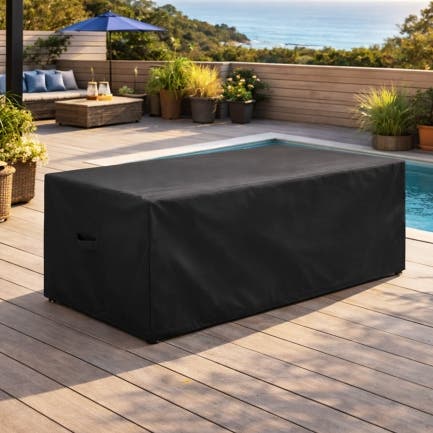
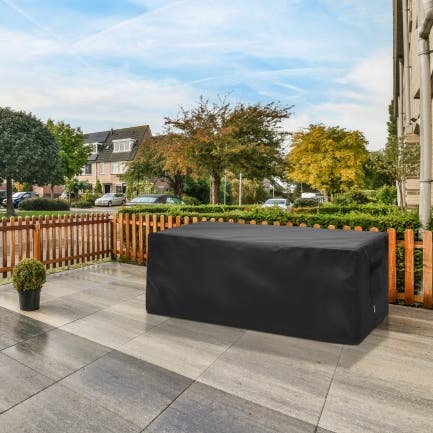
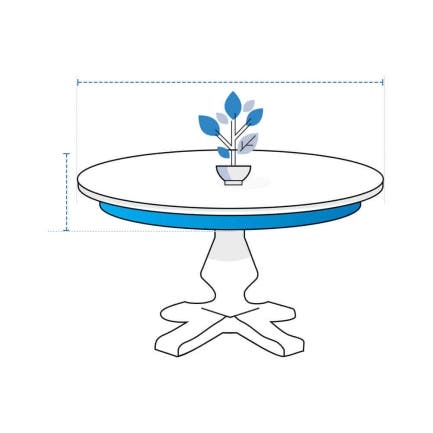
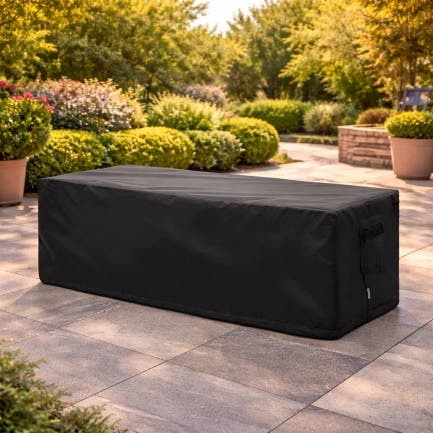
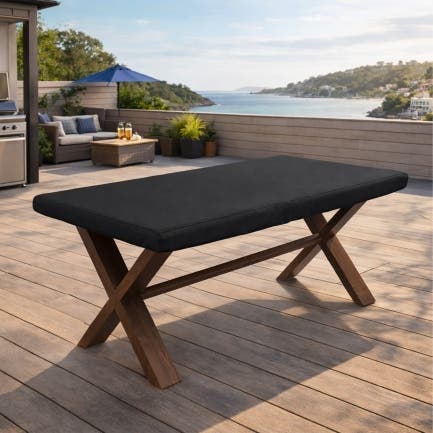
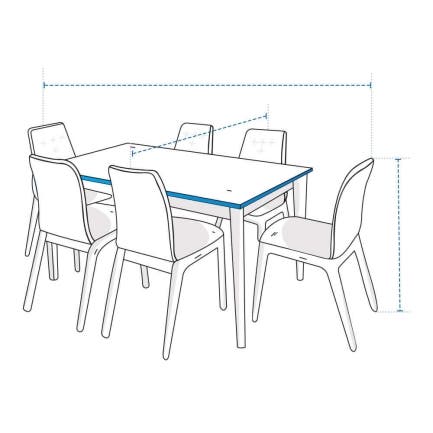
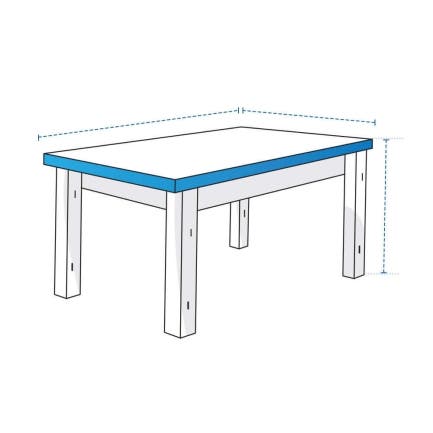
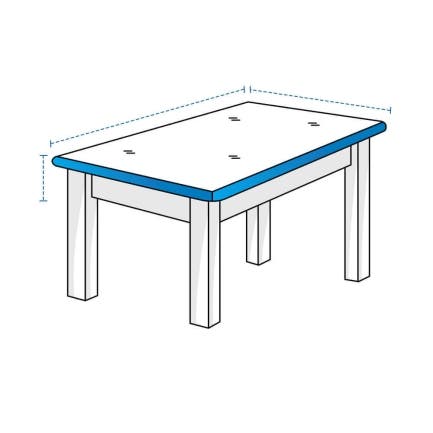
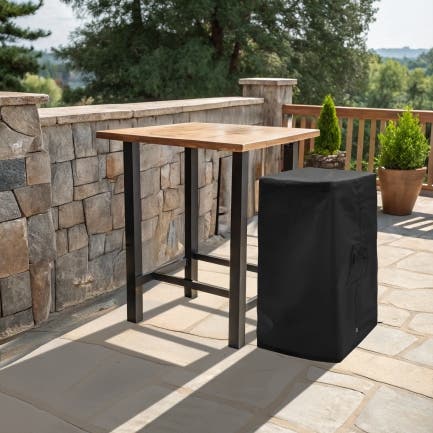
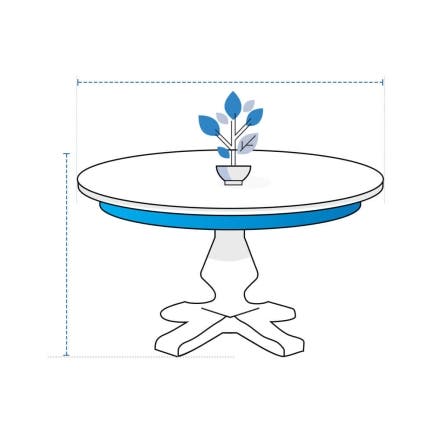
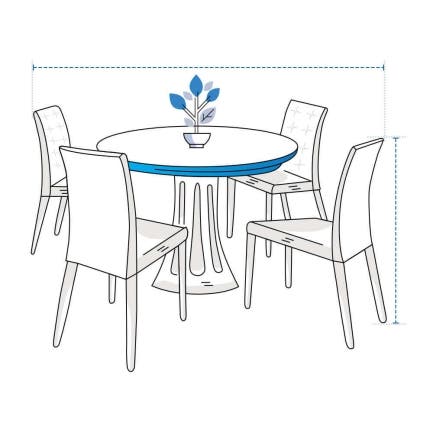
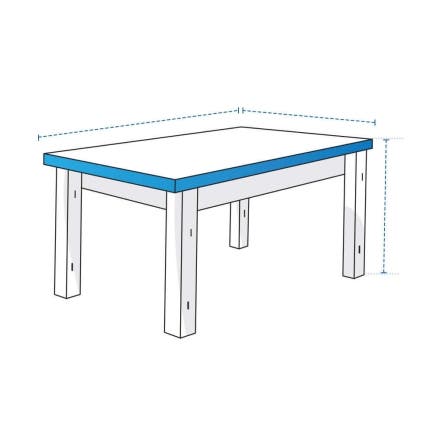
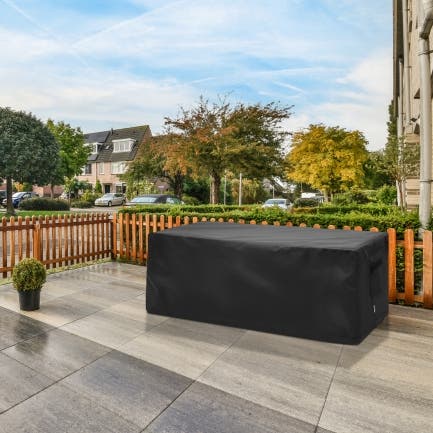
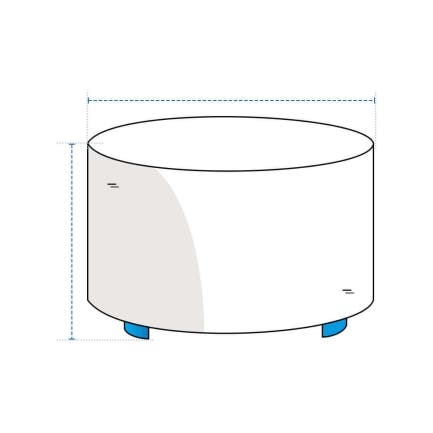
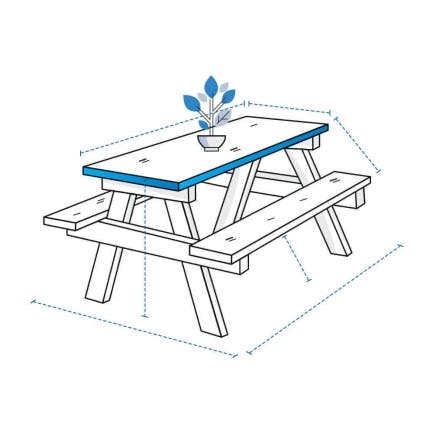
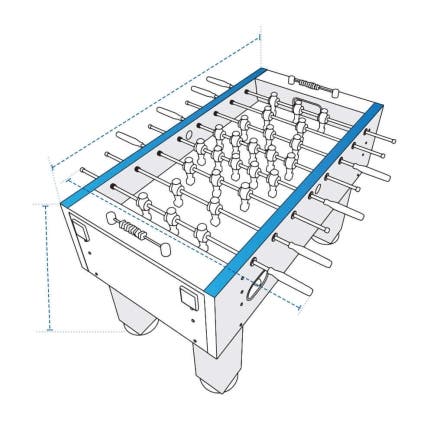
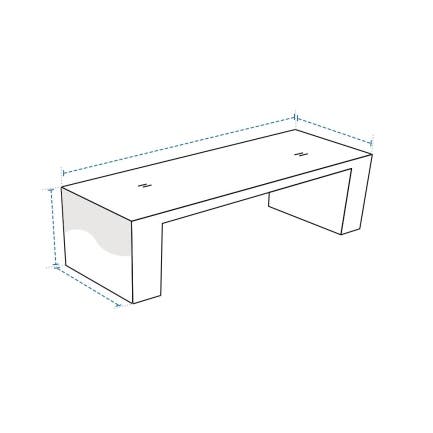
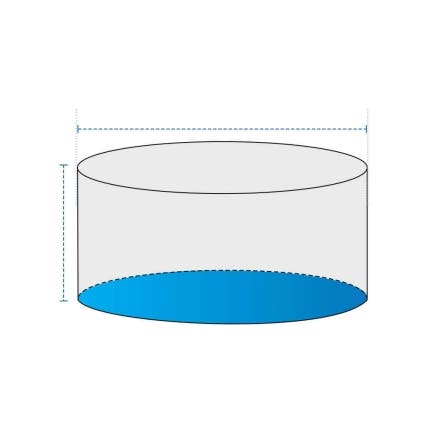
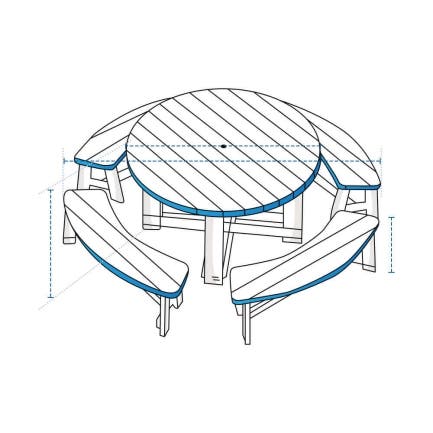
Tables are easier to overlook since there’s no cushion to worry about, but wood tables swell and crack with repeated wet-dry cycles, and metal ones develop rust rings where water sits. A generic rectangle draped over the top just moves the puddle. An outdoor table cover shaped to your table stops it forming at all.
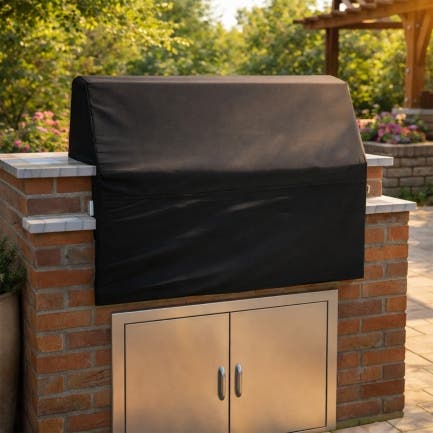
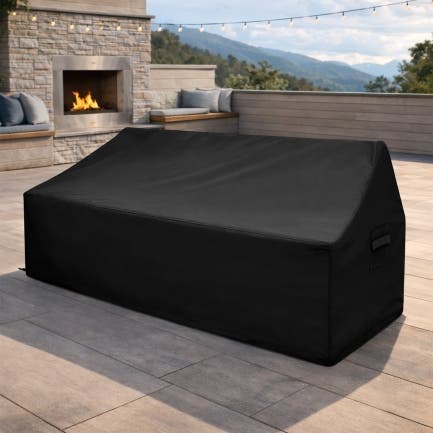
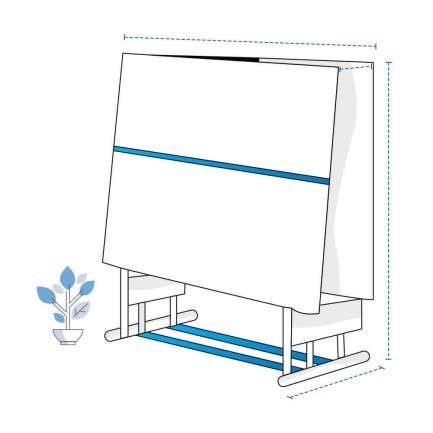
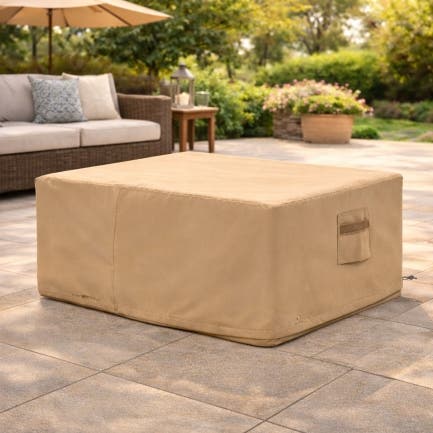
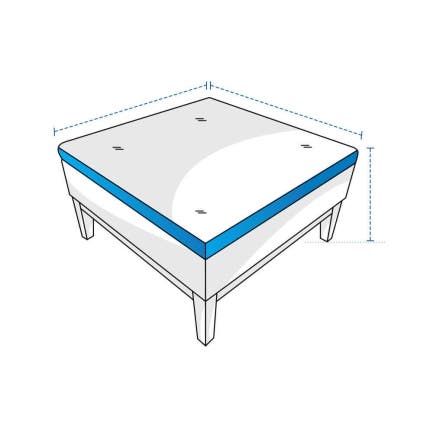
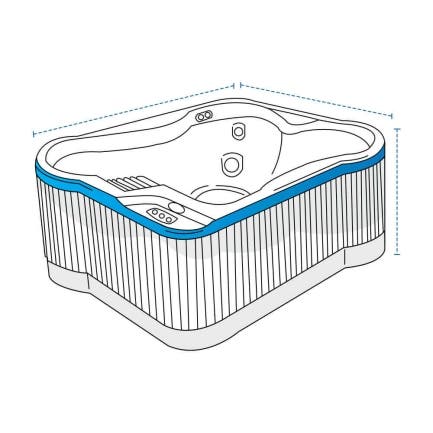
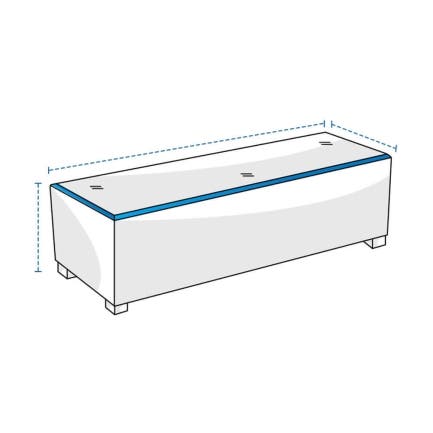
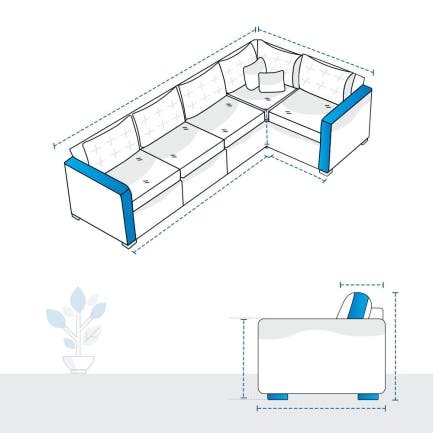
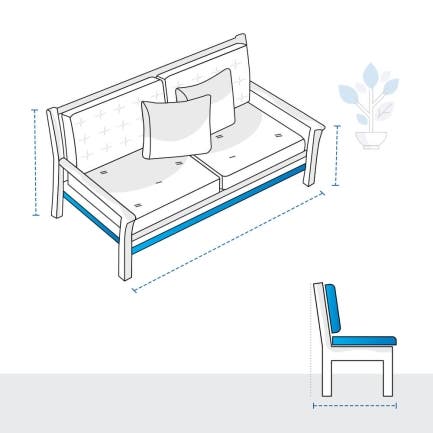
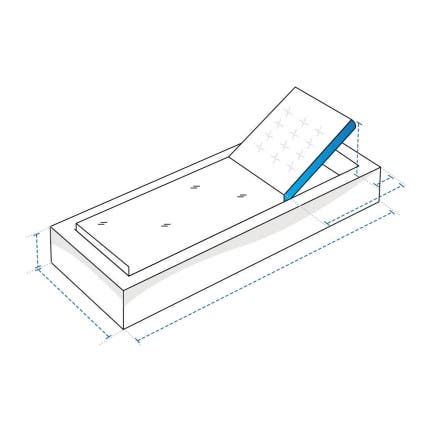
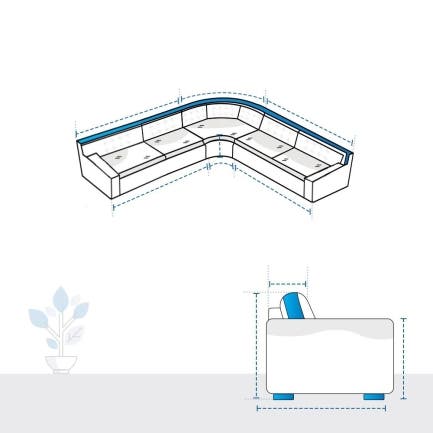
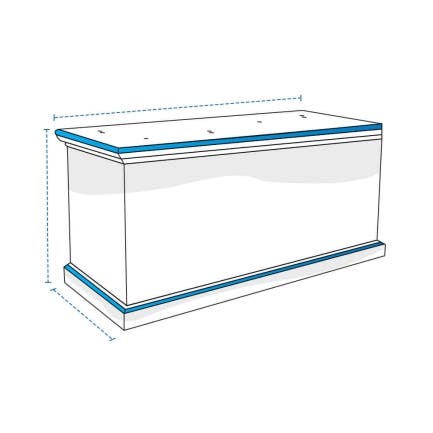
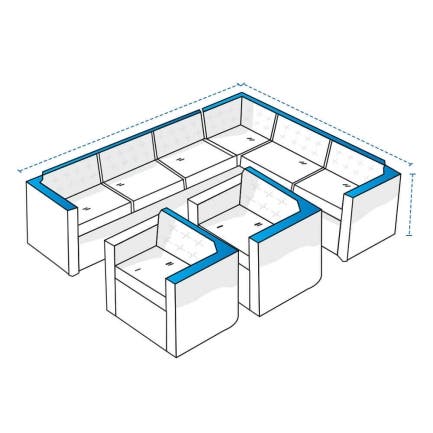
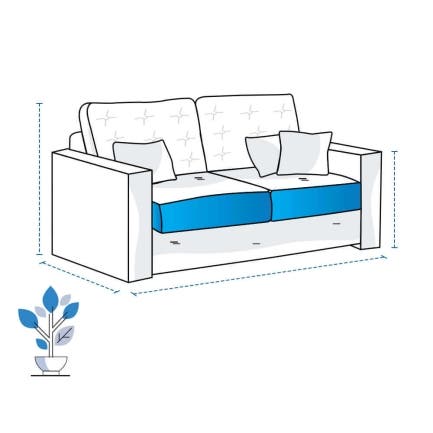
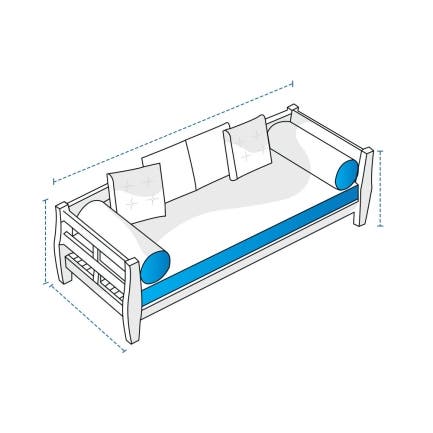
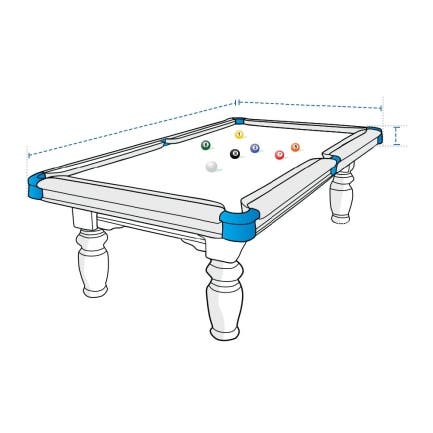
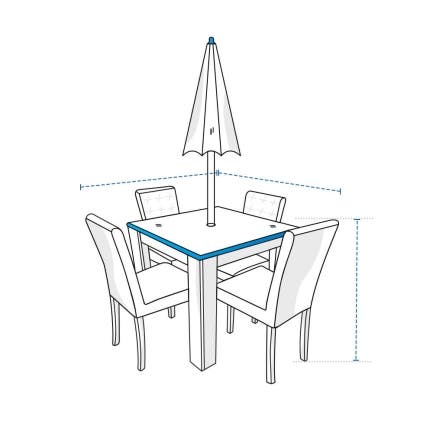
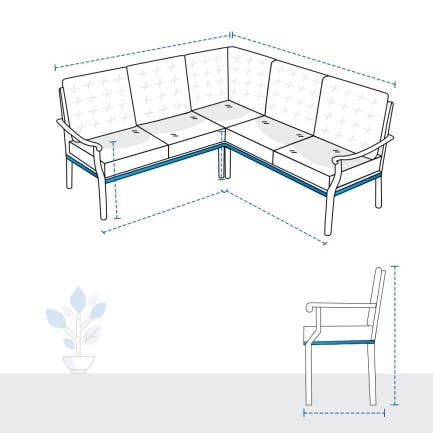
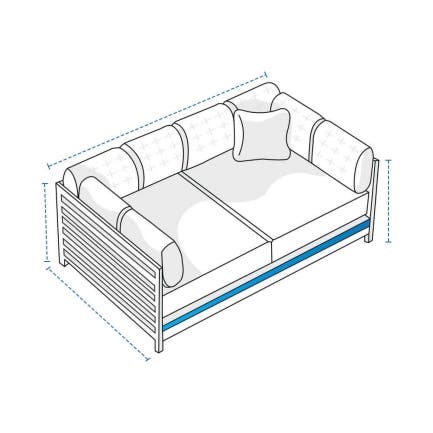
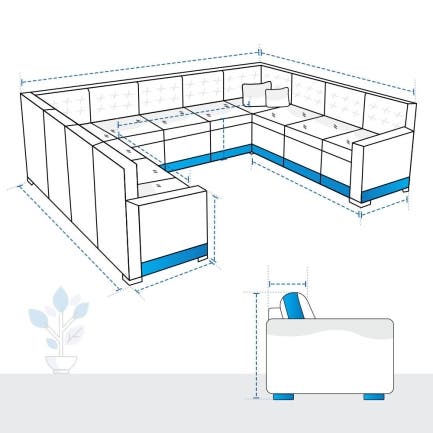
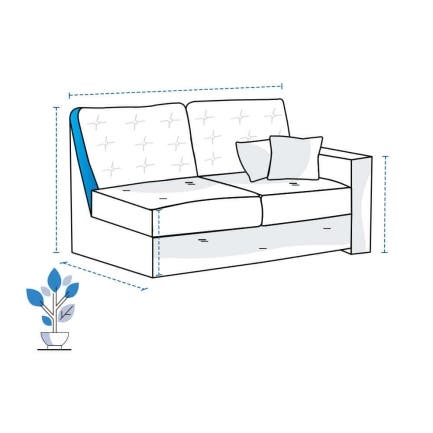
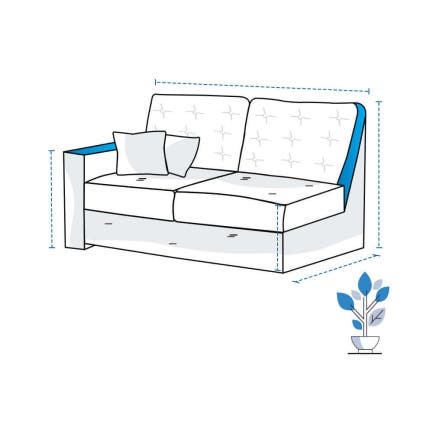
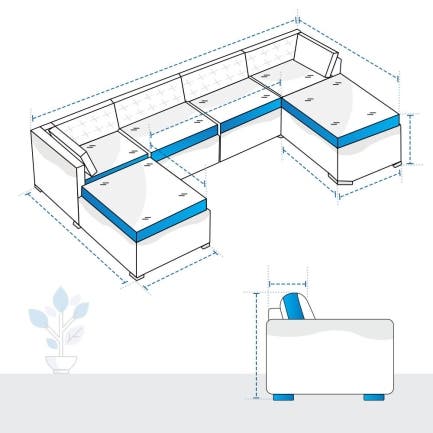
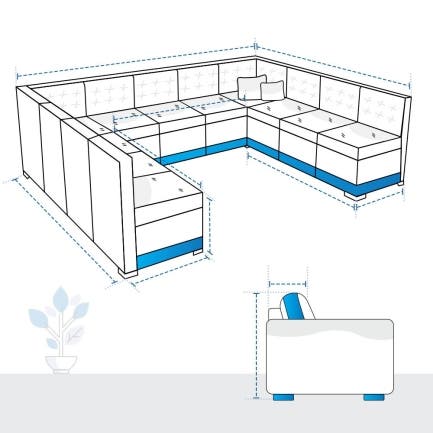
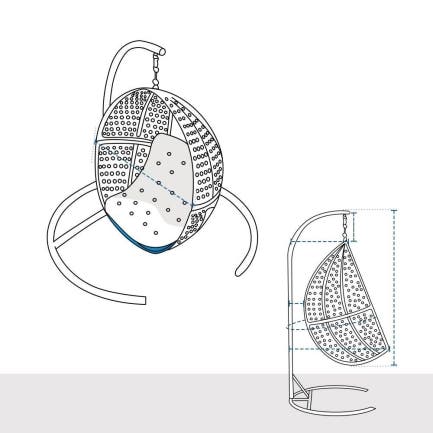
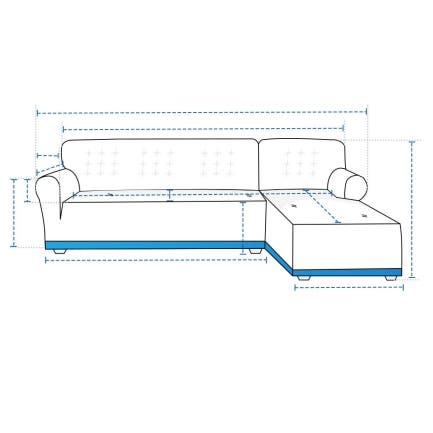
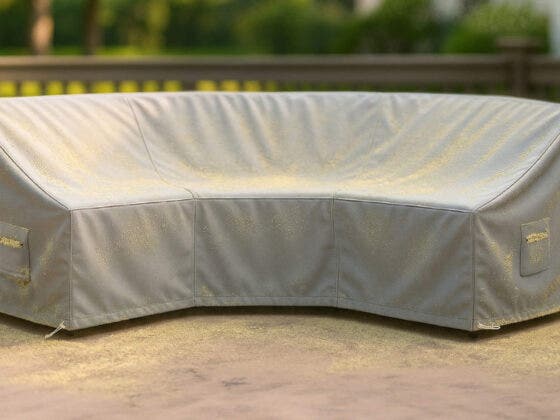
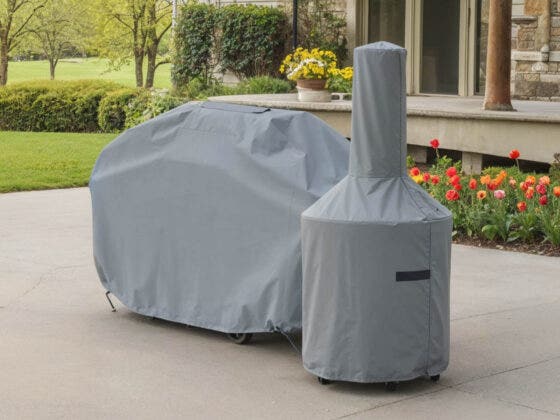
For anything unusually shaped such as a corner sofa set, a built-in bench, an odd-sized dining set – custom covers are worth the extra thought. A generic cover on an irregular piece leaves gaps exactly where the rain gets in.
Why UK Weather Needs a Different Approach
A lot of furniture care advice online is written for climates that get occasional storms and long dry stretches in between. That’s not the UK. Here, it’s persistent low-level damp for months at a time, which is a different kind of stress on fabric and wood than the odd heavy downpour. That’s why best garden covers for UK weather genuinely means something different than “furniture covers” in general – you want material that vents moisture rather than just blocking it, because sealed-in humidity over a long British autumn does its own kind of damage.
Knowing how to protect outdoor furniture during autumn in the UK really comes down to two things: fabric that breathes and covers snug enough not to shift in the wind that tends to pick up as the season goes on.
Popular Products
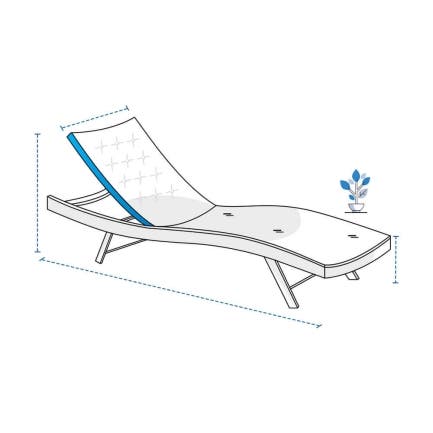
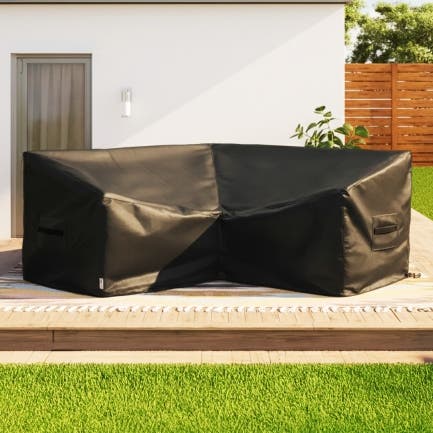
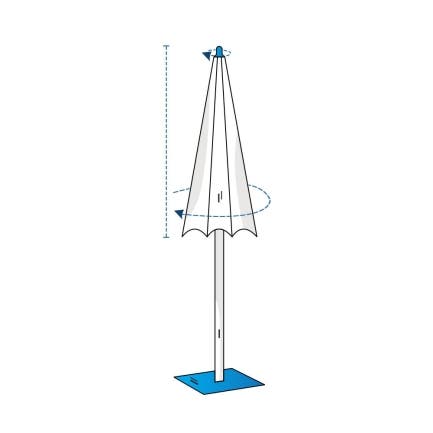
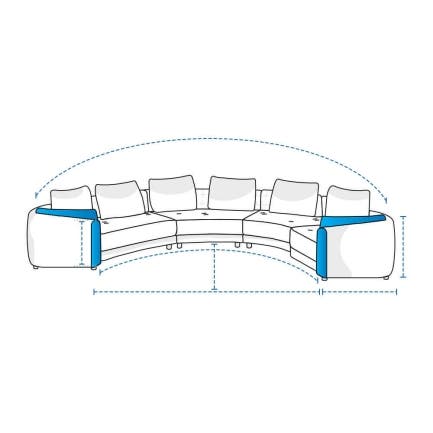
Choosing the Right Cover Material
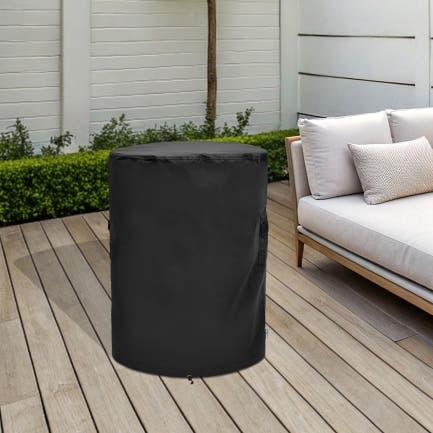
Not all outdoor furniture covers for weather protection are made equal. Cheap PVC covers seem practical, but trap condensation underneath, which speeds up mould rather than preventing it. Better options use a breathable, layered fabric – waterproof on the outer layer, but designed to let trapped moisture escape rather than pool. It’s a small difference in material that makes a big difference by February.
A Quick Autumn Checklist
- Clean and fully dry furniture before covering
- Fit covers snugly – loose covers let wind and rain in
- Check cushions haven’t trapped moisture underneath
- Store cushions indoors where possible, even with covers on
- Revisit covers after the first big autumn storm to check nothing’s shifted
Get through this list once, properly, and the rest of autumn takes care of itself – no soggy surprises when spring rolls around.



Recent Comments